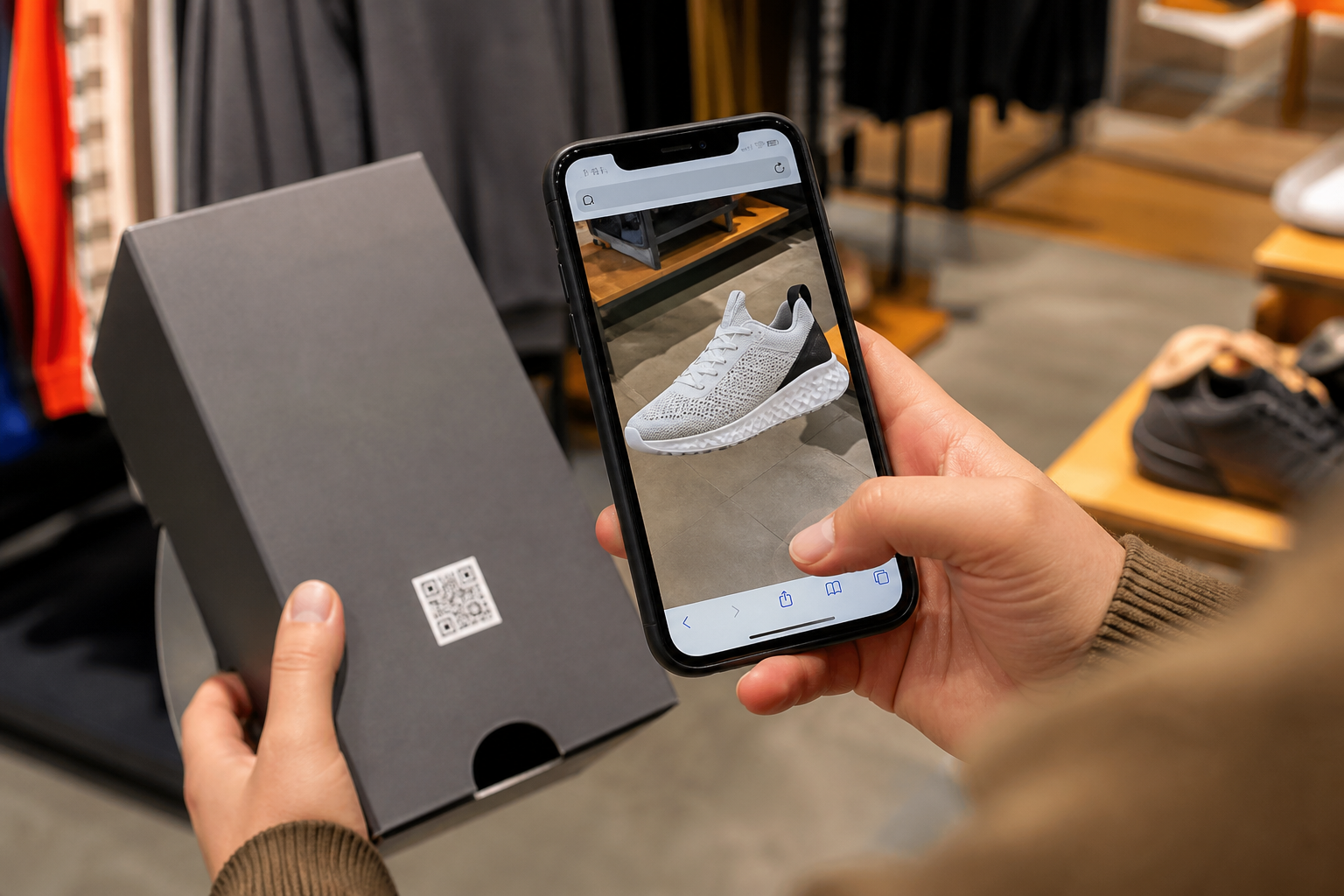

Pre-purchase confidence
Customers see fit, scale, or placement before they commit, which shortens the decision cycle instead of stretching it out over browser tabs and comparison sites.

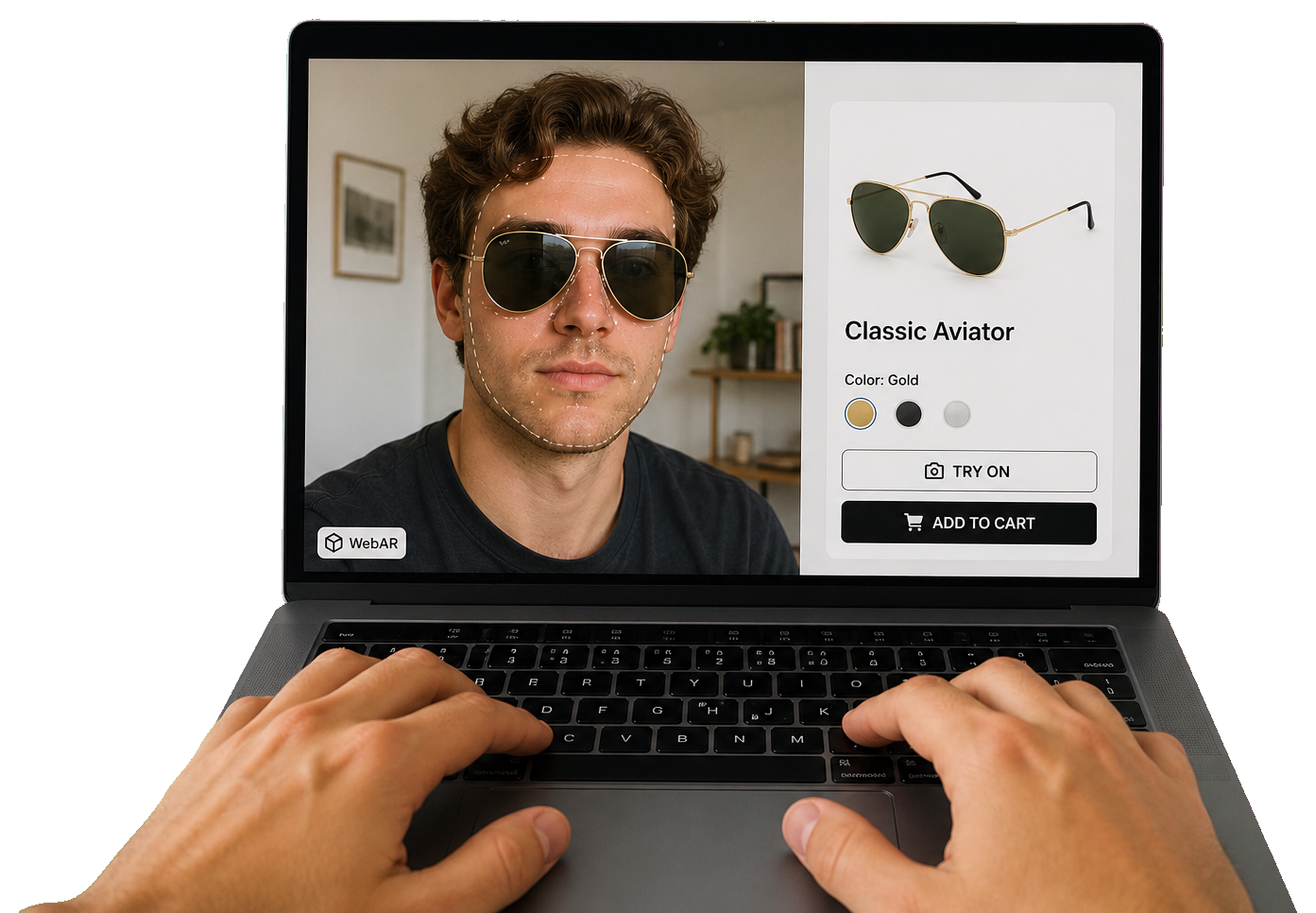


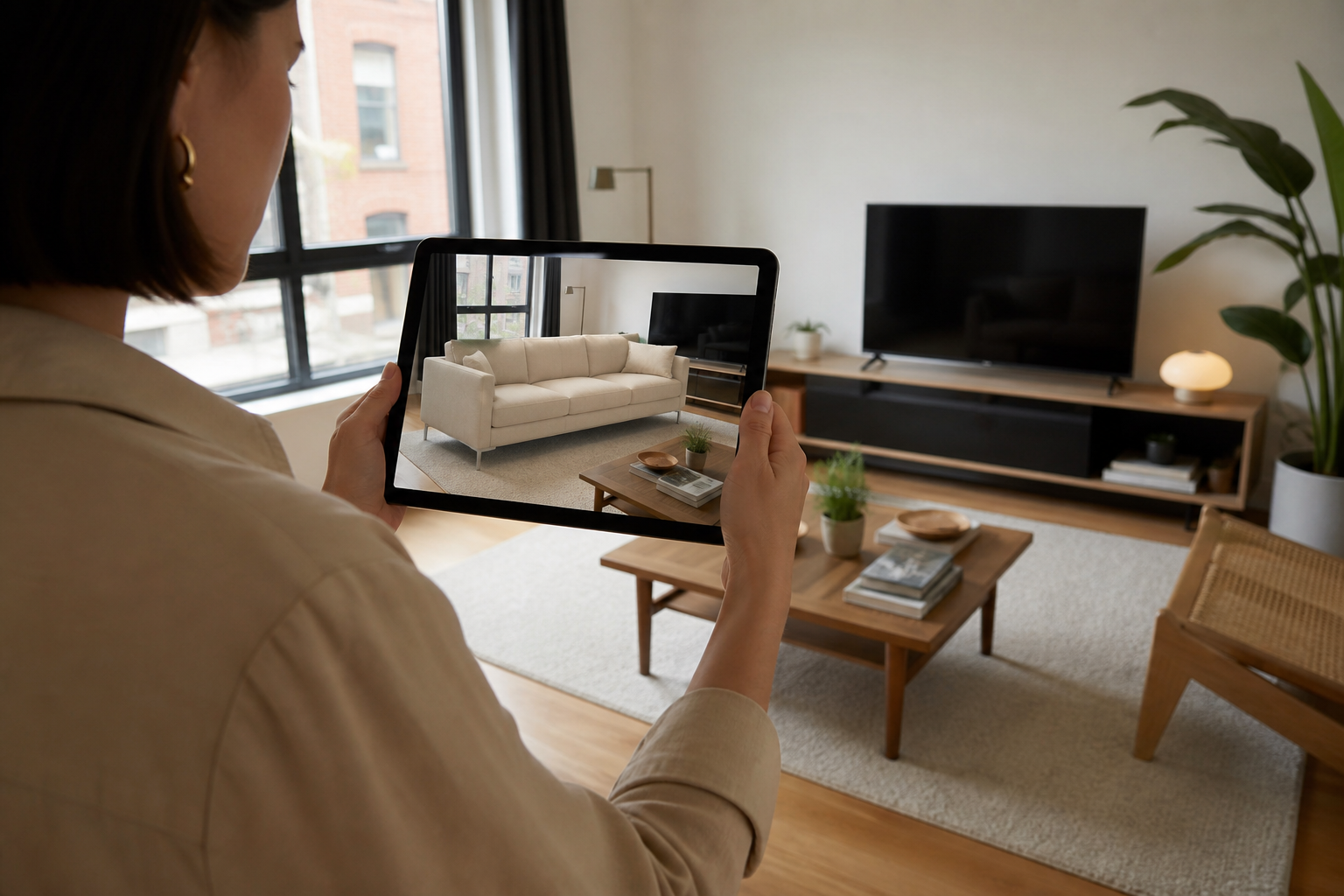
The pitch for AR in retail used to be novelty — a QR code on a poster, a one-off campaign. That's shifted. Product pages with a "view in your space" or "try it on" button now compete directly against ones without it, and the brands running these features report the same pattern: shoppers who interact with AR convert at a noticeably higher rate than those who only scroll static images, because the core purchase hesitation — will this actually look right, fit right, work in my space — gets answered before checkout instead of after a return request.
For teams managing physical inventory, that shift matters even more on the returns side. A couch that looks smaller in a living room than it did on screen, or a shade of foundation that reads differently under home lighting, are the two most common reasons for "doesn't match description" returns — and both are exactly what AR placement and try-on are built to solve. It's why we get more retail and e-commerce briefs through hiring an AR developer for this specific use case than almost any other vertical we work in.
Pre-purchase confidence
Customers see fit, scale, or placement before they commit, which shortens the decision cycle instead of stretching it out over browser tabs and comparison sites.
Fewer "not as expected" returns
Return reasons tied to size, color, or spatial fit drop when the product was already previewed accurately in the customer's own environment.
No download tax
WebAR removes the single biggest drop-off point — asking someone to install an app just to check if a lamp fits their shelf.
Shareable by default
A try-on result or a room placement screenshot is the kind of thing people post without being asked, which most product photography never earns.
Five patterns cover most of what retail briefs ask for. Most projects combine two or three of these rather than shipping just one.
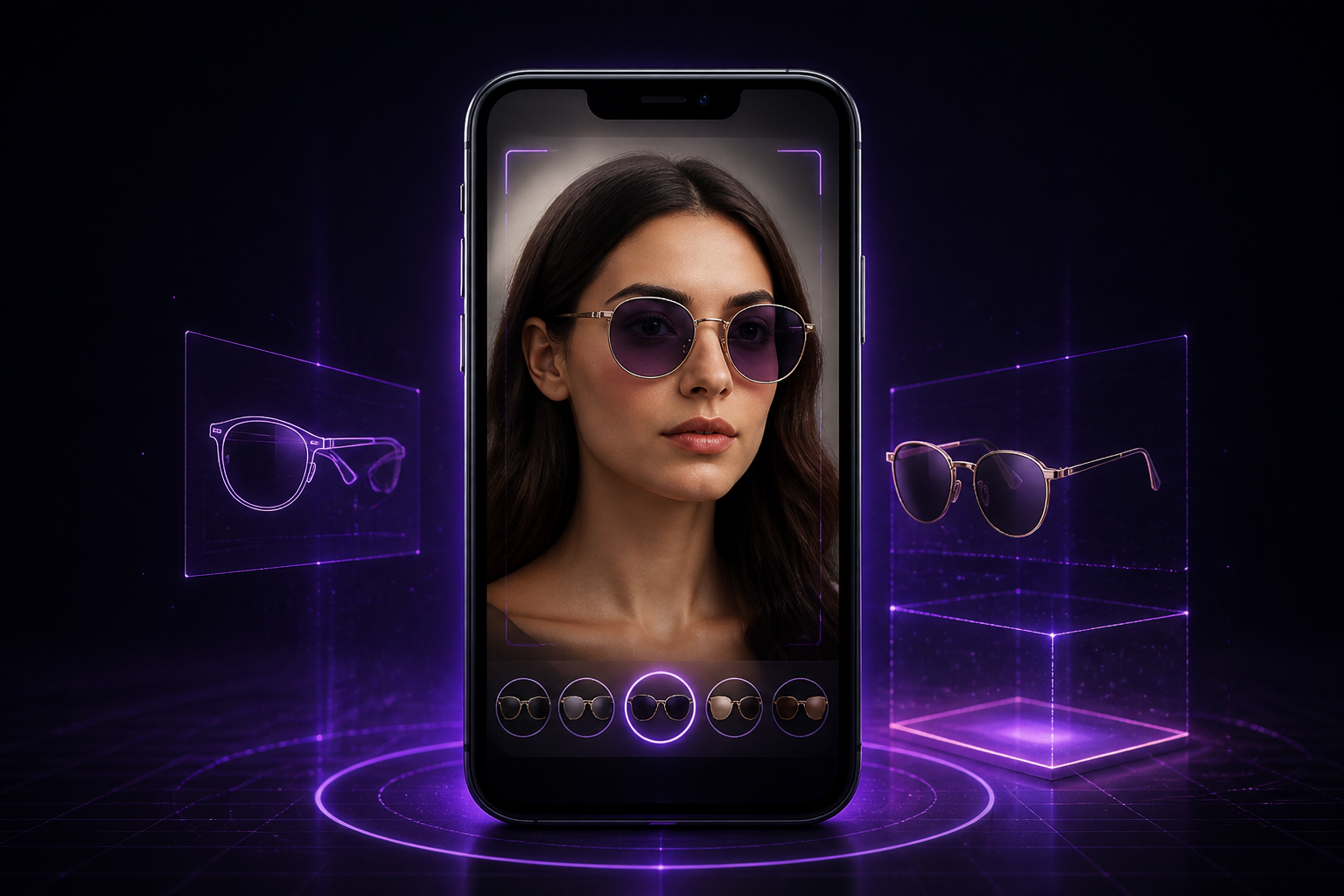
Fashion & Beauty
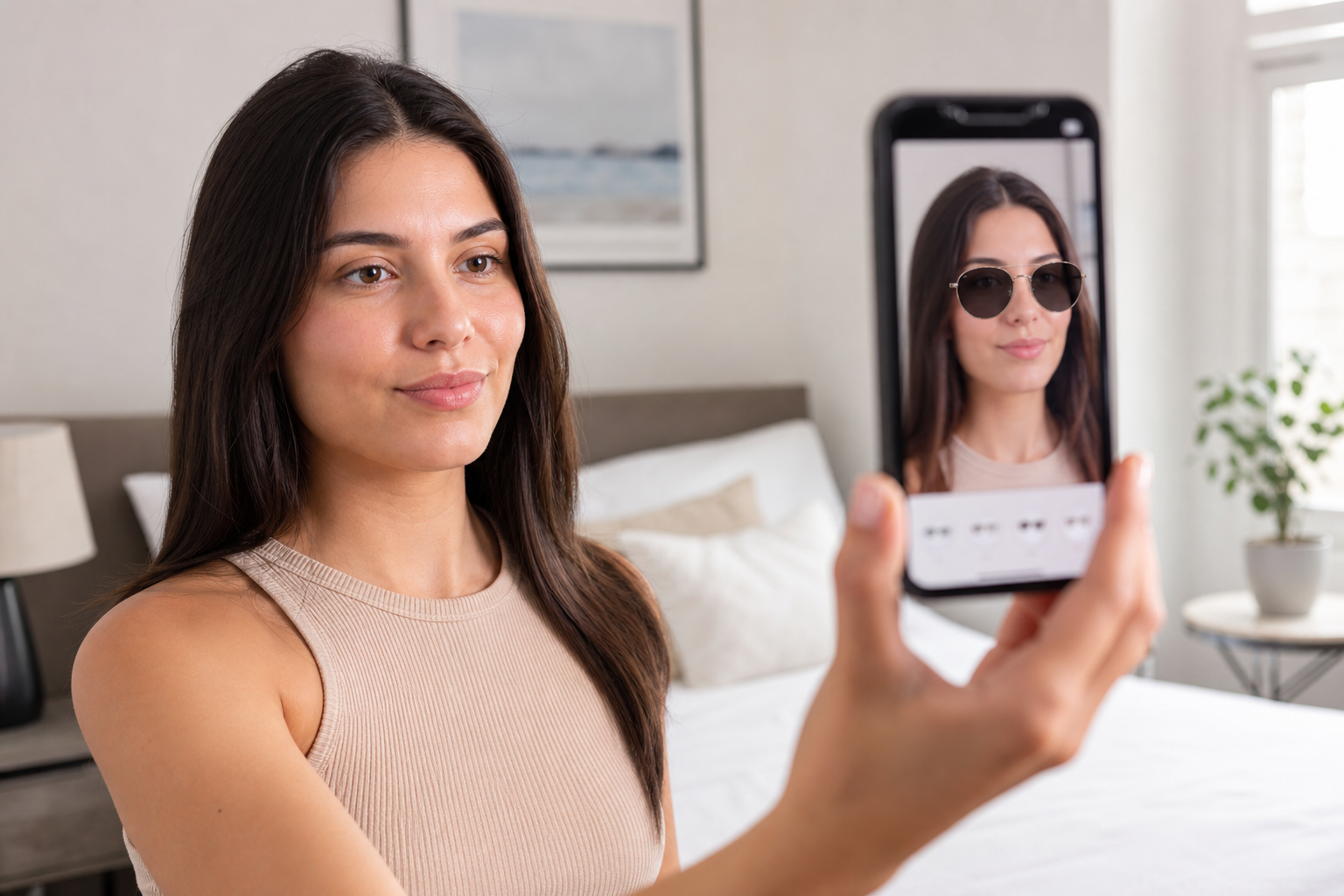
Face and body tracking lets shoppers see glasses, makeup, or apparel rendered on themselves in real time, using the front camera and no extra hardware.
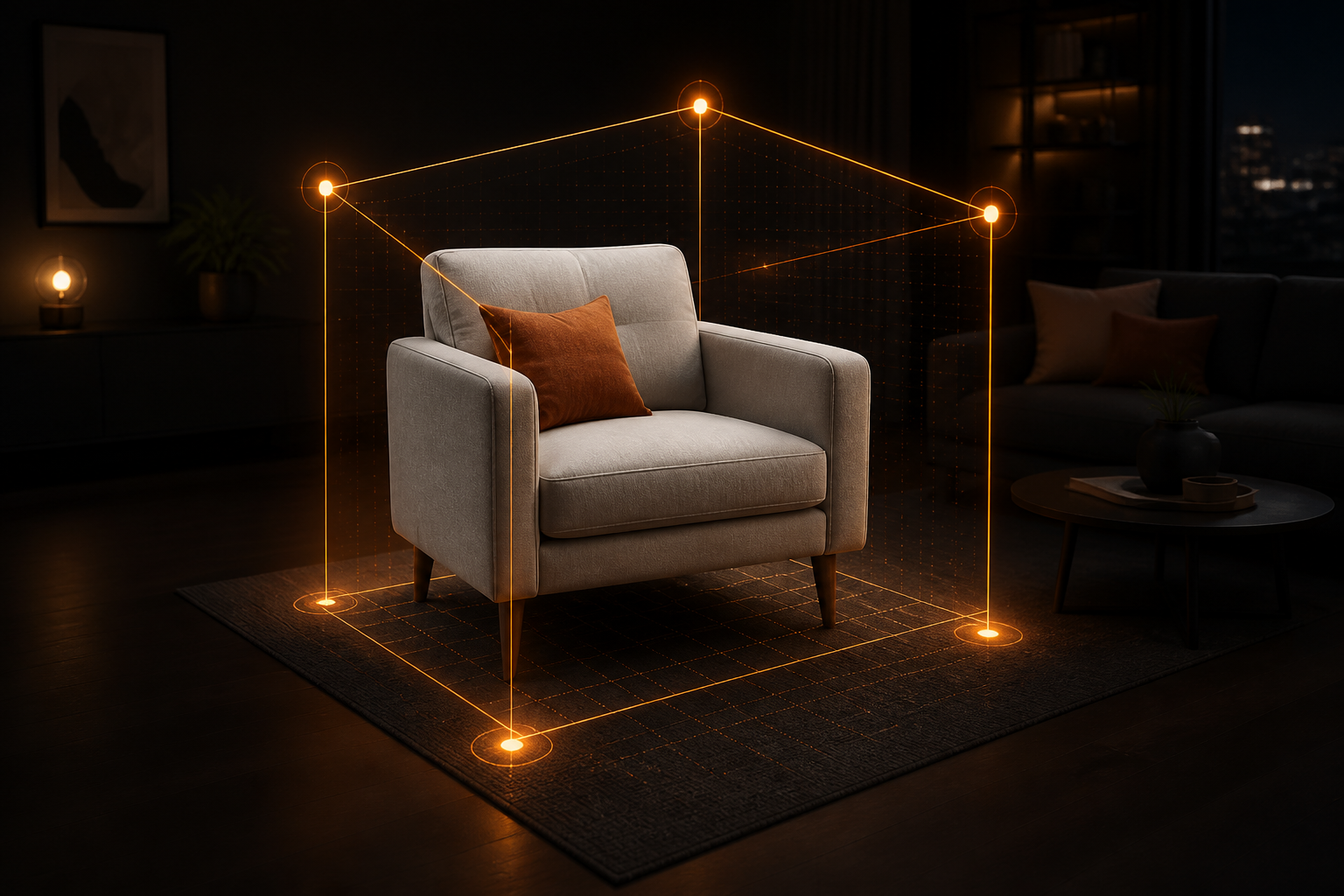
Home & Furniture
Room-scale AR drops a true-to-size 3D model of furniture, decor, or appliances into the customer's own space using surface and depth detection.
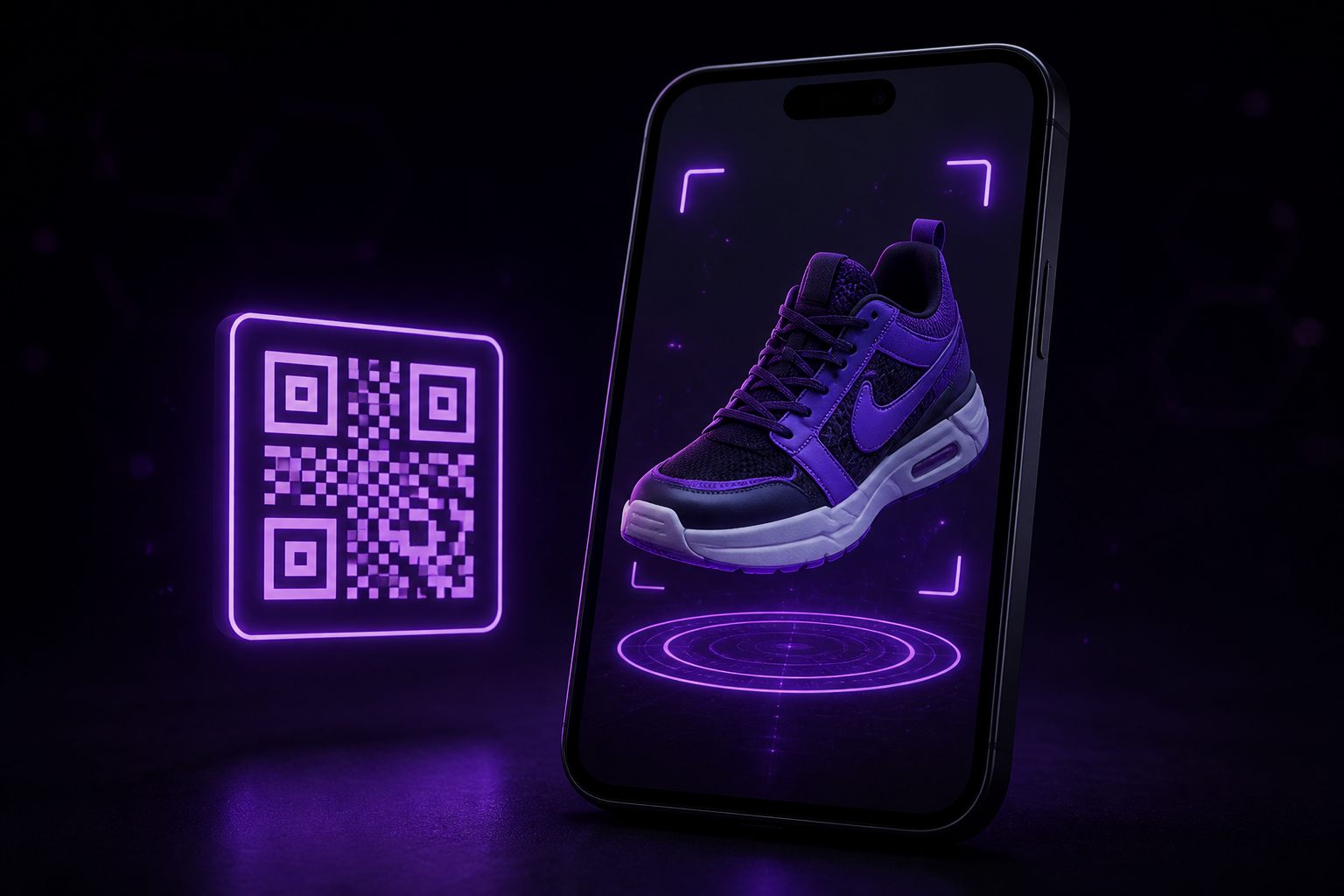
Campaigns & Ads
Scan a code on packaging or tap an ad and AR opens straight in the browser — built for reach over depth, with no install step in between.
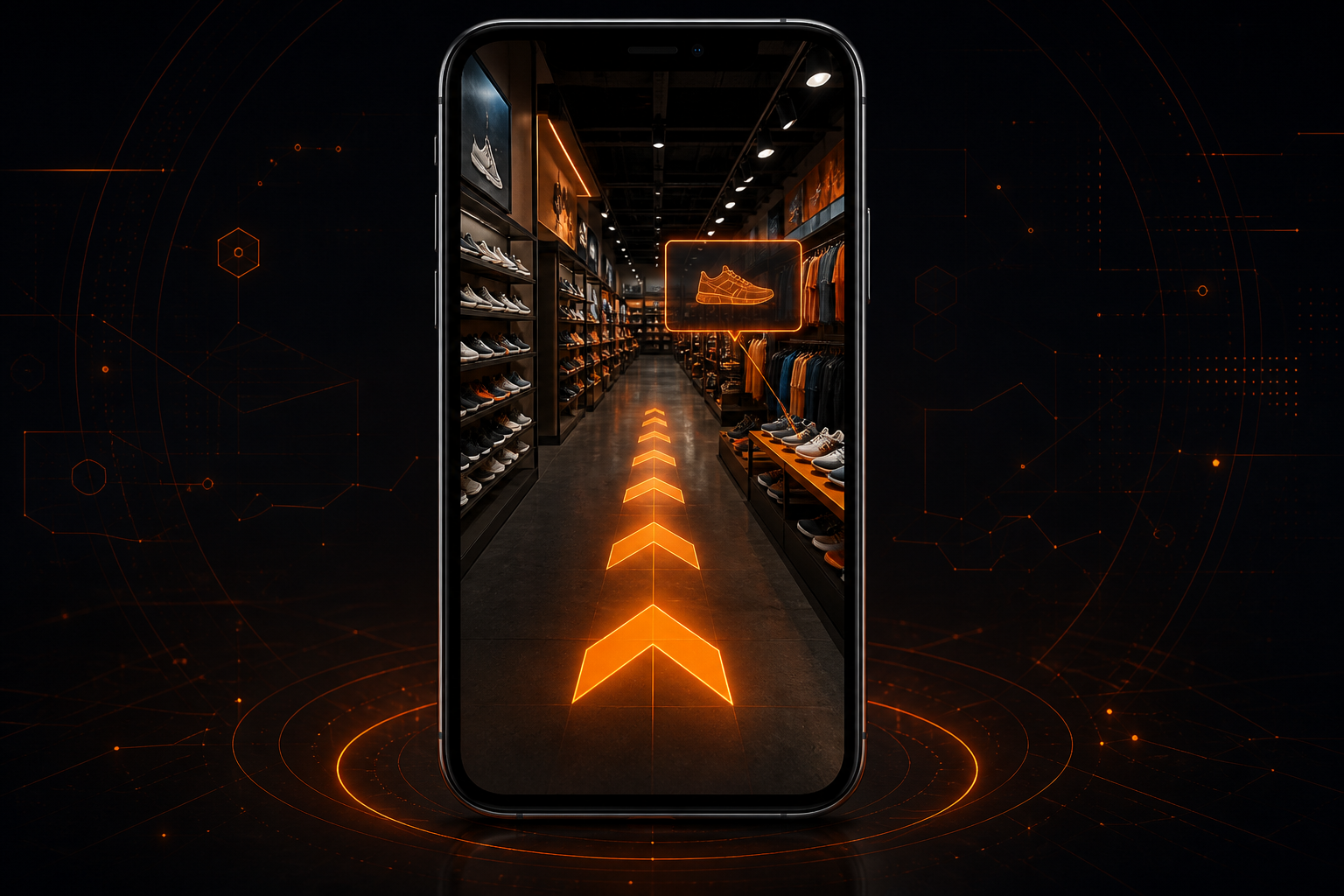
Physical Stores
Overlaid wayfinding and shelf information for larger-format retail, pointed at reducing time-to-find for high-traffic SKUs and promotions.
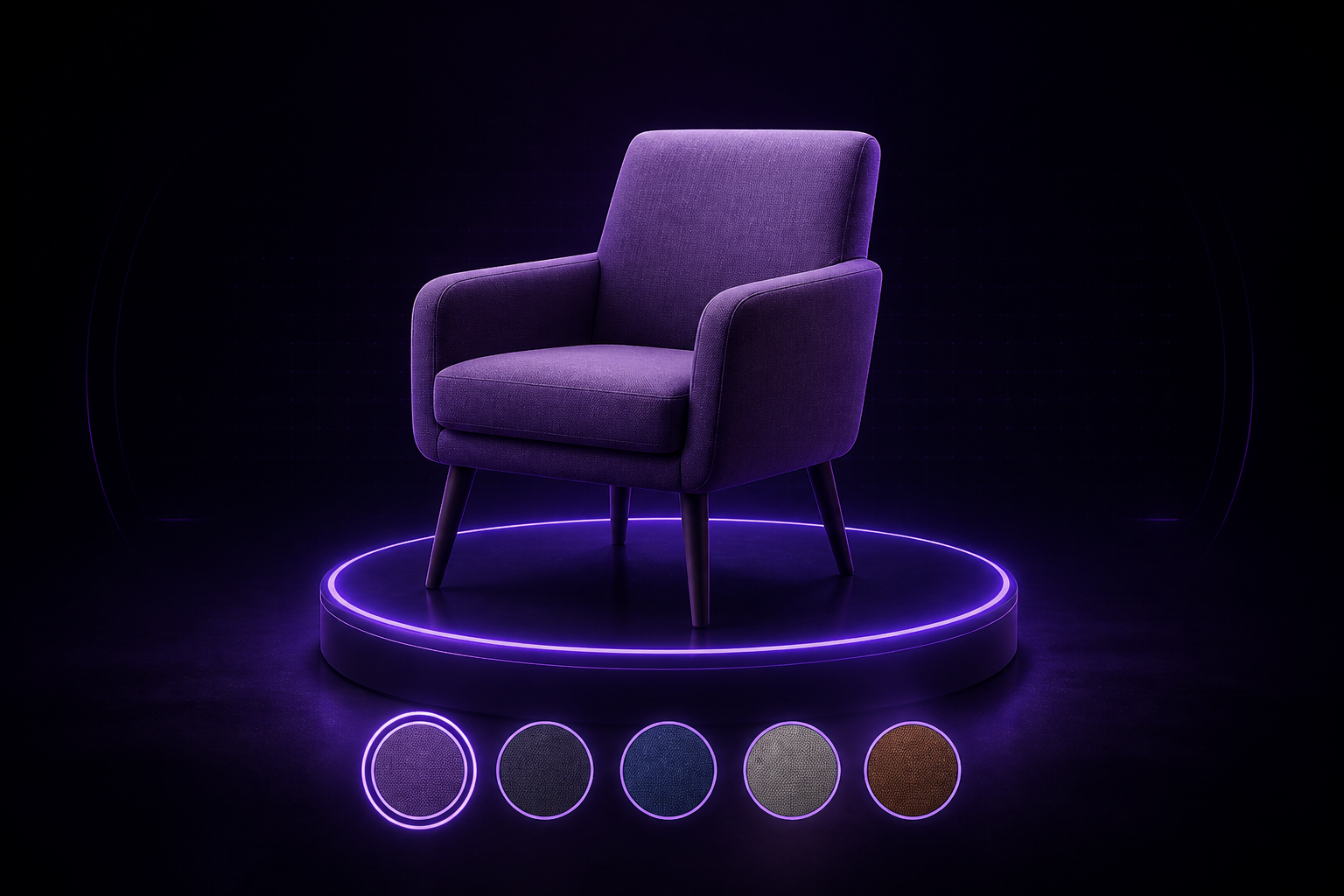
Merchandising
Let customers swap color, material, or size on a live 3D model instead of clicking through static variant photos one at a time.

Loyalty & Marketing
Turn packaging or receipts into a scan-triggered layer — unboxing content, loyalty rewards, or authenticity verification tied to the SKU.
Three ways to work with the team, depending on whether this is a single feature or an ongoing part of your roadmap.
Scope is locked before development starts — you know the cost and delivery date going in. Best for a single defined feature like a try-on flow or WebAR campaign.
Engineers embed with your product team full-time for ongoing catalog rollout — new SKUs, new categories, continuous 3D asset pipeline.
Already have engineers but need AR-specific expertise — ARKit, ARCore, or 3D pipeline skills — dropped into your existing sprint cadence.
The framework decision changes based on whether reach or tracking precision matters more for your specific use case.
| Factor | ARKit (Native iOS) | ARCore (Native Android) | WebAR (8th Wall) |
|---|---|---|---|
| Best for | Try-on with face/body tracking | Room-scale placement | Campaigns, packaging, ads |
| Install required | Yes, App Store | Yes, Play Store | No — opens in browser |
| Tracking precision | Highest (LiDAR-capable) | High | Good, camera-dependent |
| Reach | iPhone users only | 400M+ Android devices | Any modern smartphone |
| Typical retail use | Beauty, eyewear try-on | Furniture, home goods | Product launches, QR campaigns |
Most retail builds end up combining two of these — native for the core shopping app, WebAR for anything reached through marketing.
Ranges based on projects we've delivered — final scope depends on catalog size, tracking complexity, and how much 3D content already exists.
$25K – $45K
3 – 4 months
$30K – $60K
3 – 5 months
$15K – $35K
6 – 10 weeks