


VR Corporate Training
Safe, repeatable training scenarios — fire drills, compliance training, soft skills, onboarding. 60% faster learning vs traditional methods.
Meta QuestLMS Ready

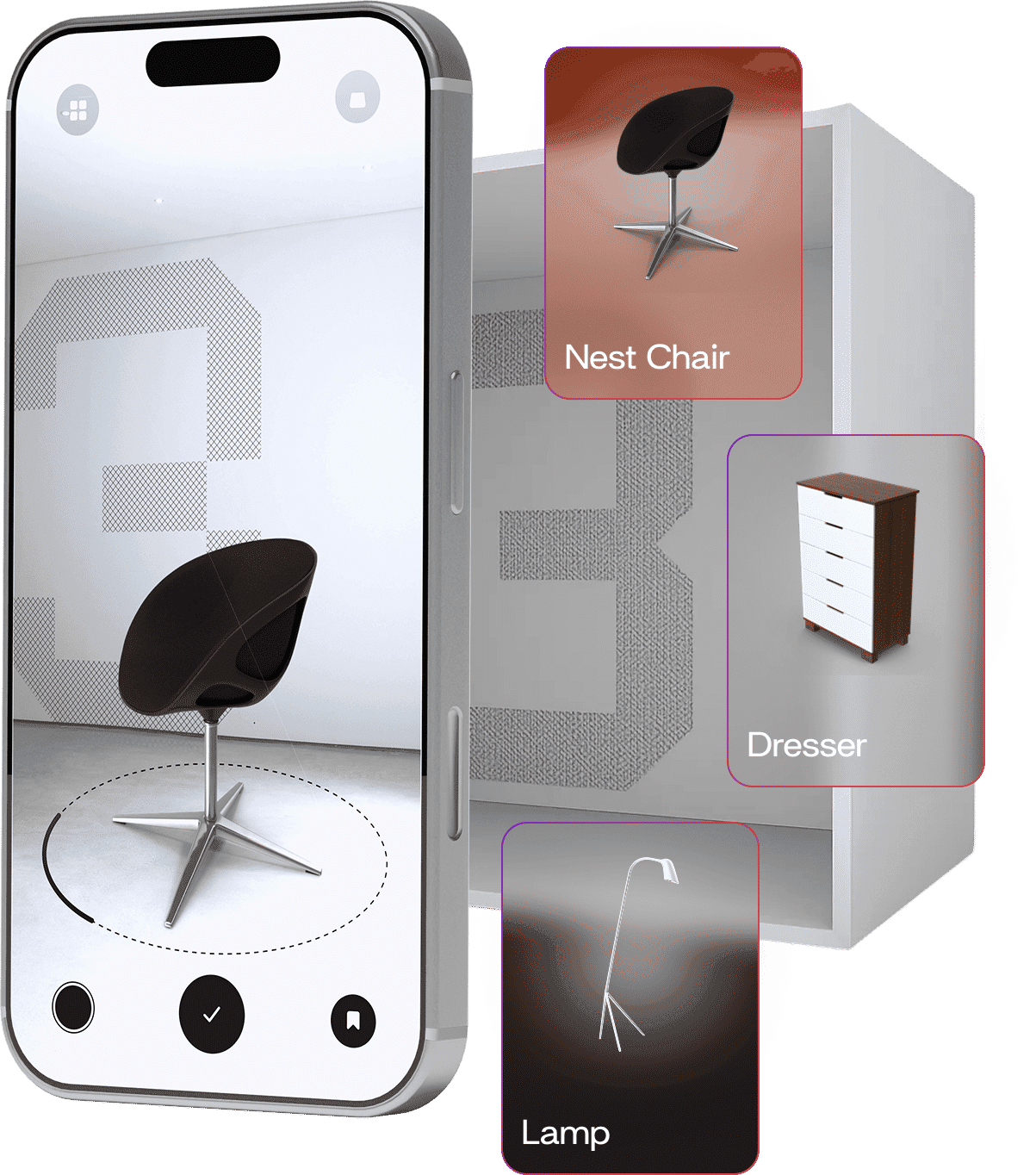


VR training apps, real estate walkthroughs, surgical simulations, and product showrooms — each is a distinct use case with its own platform, timeline, and ROI. We build all of them.
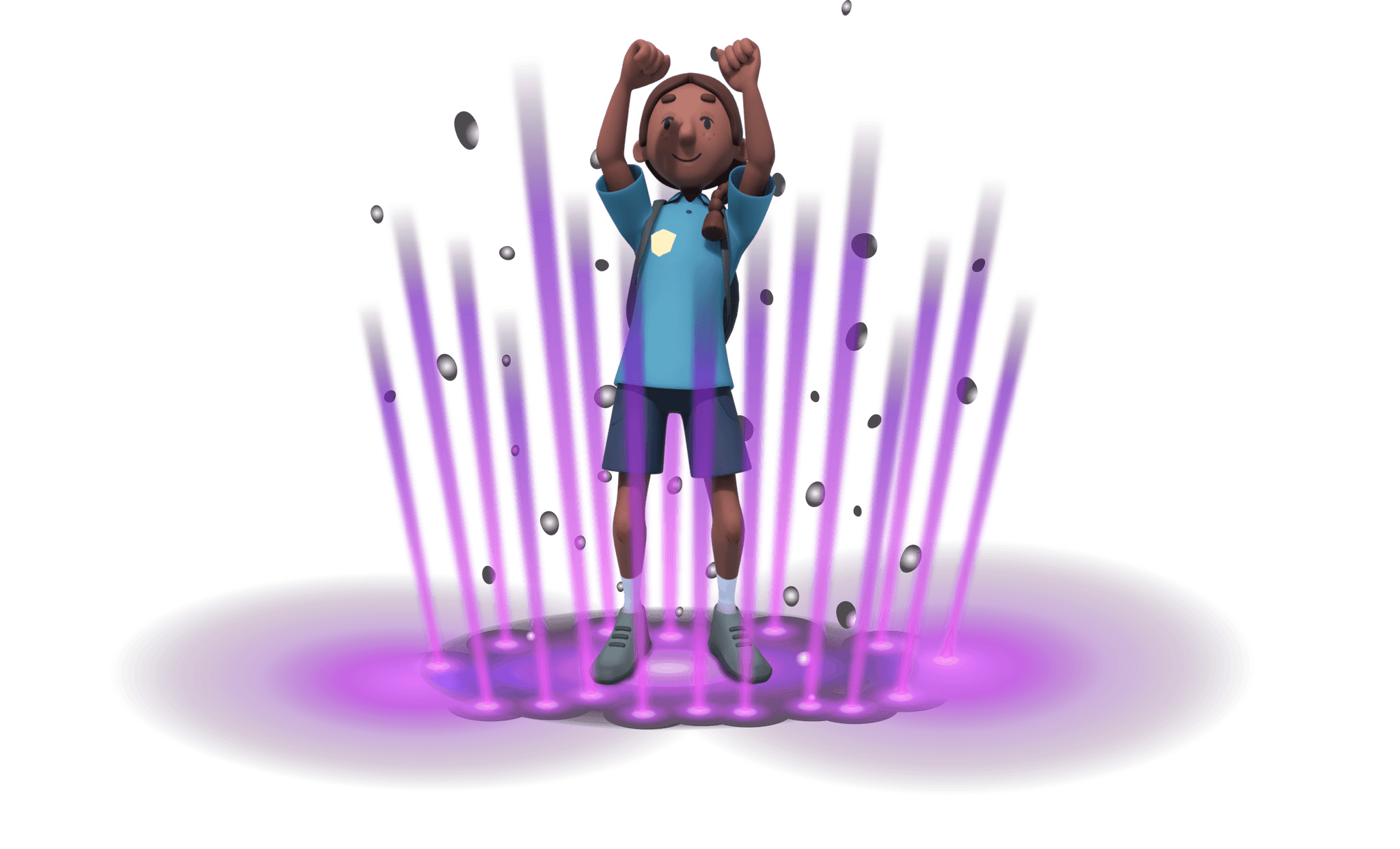
Safe, repeatable training scenarios — fire drills, compliance training, soft skills, onboarding. 60% faster learning vs traditional methods.
Surgical training, anatomy exploration, patient education, and PTSD therapy. Risk-free, repeatable medical scenarios.
Virtual property walkthroughs, interior customization, and remote buyer tours before construction is complete.
3D product demos, virtual test drives, and interactive showrooms — no physical space required. Automotive, furniture, heavy equipment.
Immersive game environments, multiplayer VR experiences, and interactive entertainment for PSVR2, SteamVR, and Meta Quest.
Assembly guidance, equipment maintenance training, factory floor simulation, and safety protocol training at scale.
We develop VR experiences for all major headsets — from Meta Quest standalone to PC-powered HTC Vive and PlayStation VR2. One studio, all platforms.
Standalone + Mixed Reality
Most popular consumer VR. No PC needed. Passthrough mixed reality. Meta SDK + Unity XR.
Console VR
PS5-powered. Eye tracking, haptic feedback. Best for gaming and interactive experiences.
PC VR — High-End
Room-scale tracking, high refresh rate. Best for enterprise simulation and photorealistic experiences.
Mixed Reality — Enterprise
Holographic AR/VR for manufacturing, surgery, field service. Hands-free, voice-controlled.
Spatial Computing
visionOS apps with eye tracking, hand gestures. Premium spatial experiences for enterprise.
PC VR — Mid Range
HP Reverb G2 and other WMR headsets. OpenXR standard. Good enterprise price-performance.
Browser-Based VR
VR in any browser — no headset required for basic experiences. A-Frame, Three.js, Babylon.js.
All Headsets — One Build
Unity XR + OpenXR standard. Deploy to Meta Quest, SteamVR, and PSVR2 from single codebase.


We use industry-leading VR engines, SDKs, and multiplayer platforms. The right stack is chosen based on your target headset, use case, and performance requirements.
Cross-platform VR — all headsets
PC VR — photorealistic worlds
Universal VR standard
Quest 2, 3 & Pro
PC VR — HTC Vive, Valve Index
HoloLens mixed reality
The wrong VR platform limits deployment and blows the budget. Compare standalone, PC-powered, and console VR by cost, setup, and use case before you start building.
| Factor | Standalone VR |
|---|---|
| Best Headset | Meta Quest 3 |
| PC Required | No ✓ |
| Cost | $35K – $80K |
| Setup | Simple — anywhere |
| Graphics | Good — mobile GPU |
| Best For | Training, retail, events |
Choose if: Mobile workforce, no PC infrastructure, wide deployment needed.
| Factor | PC-Powered VR |
|---|---|
| Best Headset | HTC Vive / Valve Index |
| PC Required | Yes — high-end |
| Cost | $60K – $200K |
| Setup | Fixed location |
| Graphics | Excellent — GPU power |
| Best For | Simulation, architecture |
Choose if: High-fidelity simulation, fixed lab environment, maximum visual quality.
| Factor | Console VR |
|---|---|
| Best Headset | PlayStation VR2 |
| PC Required | No — PS5 only |
| Cost | $50K – $150K |
| Setup | PS5 + PSVR2 |
| Graphics | Very good |
| Best For | Gaming, entertainment |
Choose if: Consumer gaming, entertainment experiences, existing PS5 user base.

A structured 6-step VR delivery process — from VREDD and grey box prototype to headset QA and store deployment. No generic app workflow. Every step is built for immersive VR.
We define your VR use case, target headset, interaction model, environment scope, and technical requirements. You receive a full VR Experience Design Document (VREDD) before development begins — no surprises.
Our 3D artists build environments, characters, props, and animations in Blender or Maya. All assets are optimized for target headset — polygon budget, texture resolution, and draw calls managed from the start.
A functional, interactive prototype built in Unity XR or Unreal Engine 5 — you experience the core VR interactions before full production. Locomotion, scale, comfort, and interaction feel validated early. Changes here cost a fraction of changes later.
Full environment integration, interaction systems, multiplayer networking (if needed), backend connections, and LMS/analytics integration. Weekly builds delivered — you see progress every sprint. Agile development with continuous QA.
Tested on all target headsets — frame rate pacing (72fps Quest, 90fps PC VR), comfort testing for motion sickness, controller mapping verification, and performance profiling. Bugs fixed before submission.
Published to Meta Store, SteamVR, PlayStation Store, or enterprise MDM — we handle submission. Post-launch: performance monitoring, content updates, OS compatibility patches, and feature additions.






$25K–$300K+ depending on app type, headset platform, and feature complexity. See our full cost breakdown below — with headset-specific pricing most agencies don't publish.
| VR App Type | Platform / Headset | Key Features | Cost Range | Timeline |
|---|---|---|---|---|
| VR Training App (Basic) | Meta Quest 3 | Interactive scenarios, branching paths | $35K–$55K | 3–4 months |
| VR Product Demo / Showroom | Meta Quest + WebVR | 3D product visualization, hotspots | $25K–$60K | 2–4 months |
| VR Corporate Training Suite | Meta Quest + PC VR | Multi-module, LMS integration, analytics | $60K–$120K | 4–6 months |
| VR Medical Simulation | PC VR + HoloLens | Surgical simulation, anatomy, patient edu | $120K–$300K | 6–12 months |
| VR Architecture / Real Estate | PC VR + Meta Quest | Walkthrough, lighting, material swaps | $40K–$100K | 3–6 months |
| VR Gaming Experience | PSVR2 + SteamVR | Gameplay mechanics, haptics, multiplayer | $80K–$250K | 6–12 months |
| Enterprise VR (HoloLens) | HoloLens 2 | Spatial mapping, remote assist, AR/VR | $100K–$300K | 6–9 months |