


Augmented Reality App Development Services
for Businesses
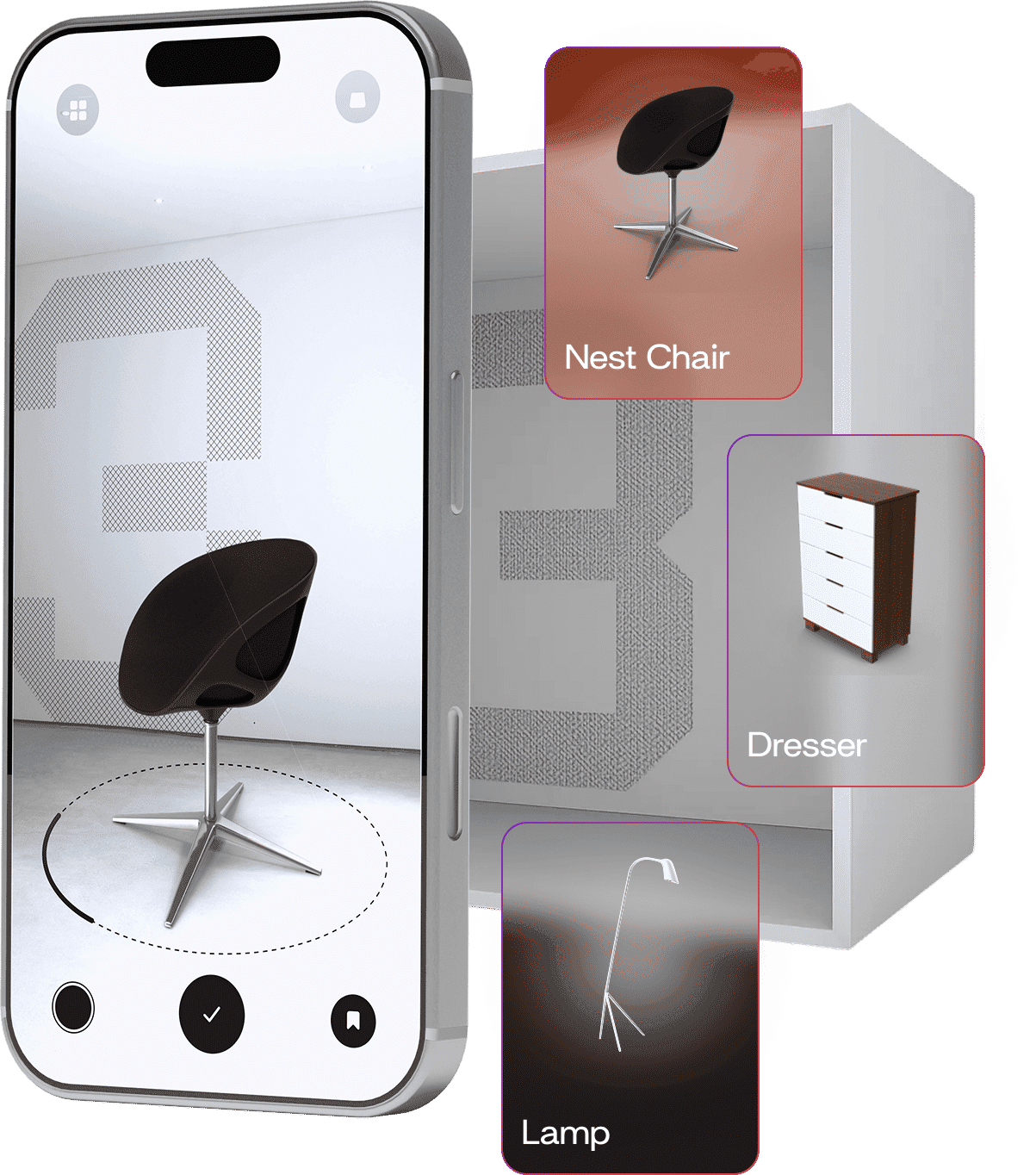


Why Businesses Are Investing in AR
Technology has always been the backbone of business transformation, and in recent years, augmented reality (AR) has taken a central role. Once viewed as a futuristic concept, this technology is now a practical tool for enterprises across industries. From retail to healthcare, businesses are actively exploring AR app development to create innovative solutions that improve customer engagement and operational efficiency.
AR App Features We Build
for Your Business


SCENE DETECTION


IMAGE & OBJECT RECOGNITION

MOTION TRACKING

LIGHT ESTIMATION
AR and VR Are Not the Same — Here Is What Sets Them Apart
Augmented Reality (AR) and Virtual Reality (VR) both redefine human interaction with technology, but solve very different business problems.Below is a simple comparison table that shows exactly where each stands.
| Factor | AR |
|---|---|
| What it does | Overlays digital content onto the real world |
| Device | Phone, tablet, smart glasses — no headset required for most cases |
| Best for | Product visualization, try-on, navigation, on-site training, retail |
| User setting | Works anywhere — retail floor, warehouse, at home |
| Typical cost | $15K–$250K+ |
| Factor | VR |
|---|---|
| What it does | Replaces the real world with a fully digital one |
| Device | Requires a headset (Meta Quest, Vision Pro) |
| Best for | Immersive training simulations, virtual walkthroughs, remote collaboration |
| User setting | Works best in a controlled, dedicated space |
| Typical cost | Often higher due to headset-specific development |
Augmented Reality Solutions We Specialize In
Marker-Based AR
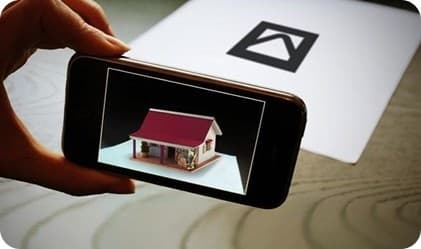
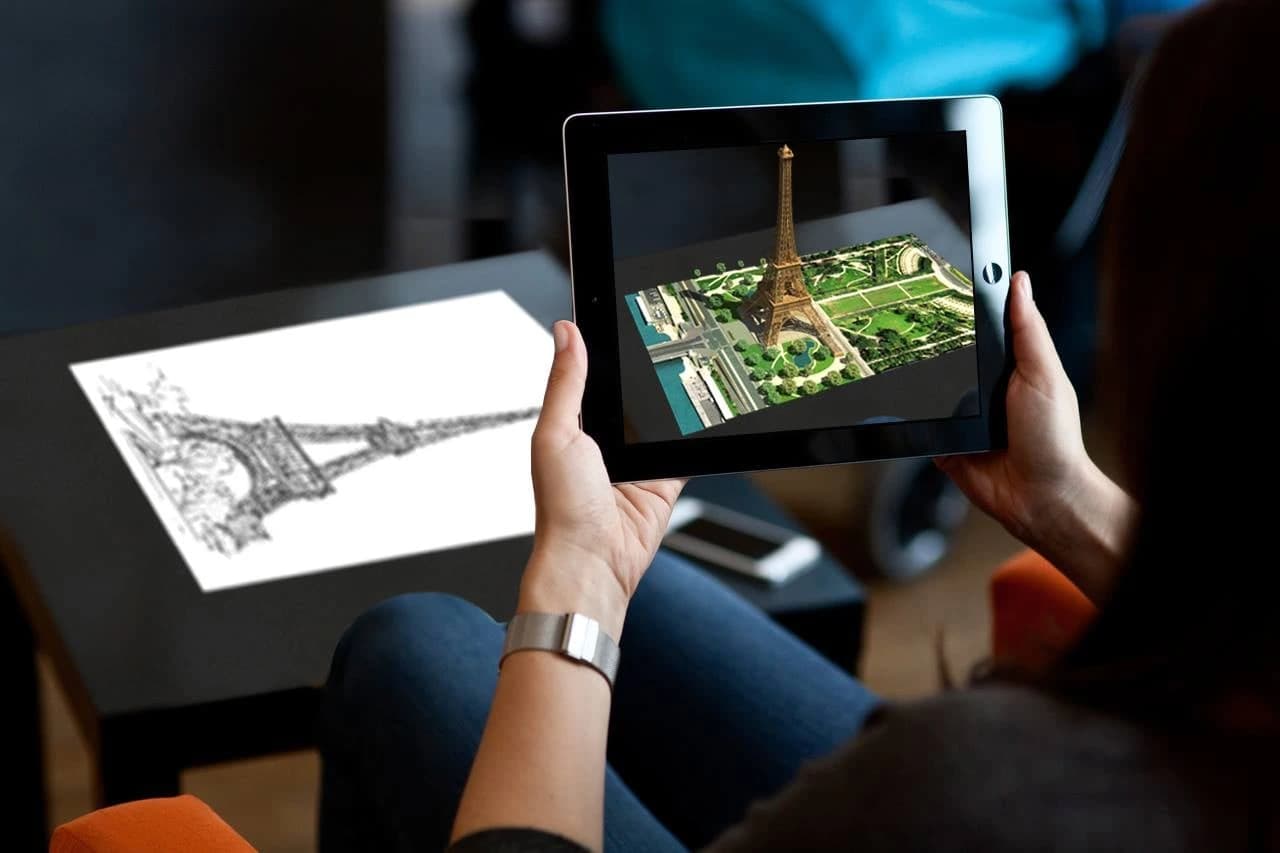
Our team builds marker-based AR experiences where the camera detects a specific image or QR code and brings relevant digital content to life, making it a perfect fit for product packaging, marketing campaigns, and retail activations.
Markerless AR
Unlike marker-based experiences, our markerless AR development relies on GPS, accelerometer, and computer vision to place digital objects anywhere without physical triggers needed, making it ideal for location-based applications.
Projection AR
Our team builds projection AR that casts interactive digital content directly onto real-world surfaces, allowing users to interact with projected visuals through touch or motion, no screen or headset required.
Superimposition AR
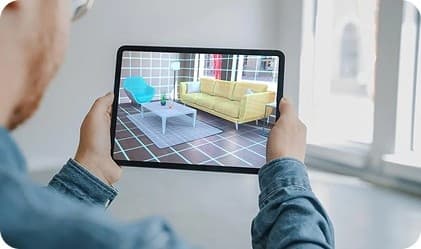
Superimposition AR replaces or overlays exactly what the camera sees. Our team uses this to power furniture visualization, medical imaging, and product try-on experiences that feel completely natural to the user.
WebAR
As experienced WebAR developers, we build browser-based AR experiences that run directly on any device without an app download, making it the best choice for e-commerce, marketing campaigns, and reaching the right audiences instantly.
Wearable AR
We develop wearable AR for devices like HoloLens, Meta Quest, and Apple Vision Pro, keeping both hands free. Purpose-built for surgery, field service, industrial training, and enterprise environments where precision matters most.






AR Frameworks & Technologies We Build With
We use industry-leading AR frameworks, 3D engines, and cloud platforms. The right stack is chosen based on your target device, use case, and budget.
ARKit
iOS AR — iPhone & iPad
ARCore
Android AR — all devices
WebAR
Browser-based AR
Unity XR
Cross-platform AR/VR
Vuforia
Enterprise marker-based
Microsoft MRTK
HoloLens development
AR FRAMEWORKS
- ARKit 6
- ARCore
- Vuforia
- 8th Wall (WebAR)
3D ENGINES
- Unity XR
- Unreal Engine 5
- Three.js
- Babylon.js
3D & AI TOOLS
- Blender
- Maya
- TensorFlow Lite
- Core ML
PLATFORMS & CLOUD
- iOS & Android
- HoloLens 2
- Meta Quest
- Apple Vision Pro
ARKit vs ARCore vs Vuforia — Which Is Right for You?
The most common question before starting an AR project. Wrong framework = poor performance or incompatible devices.
| Factor | ARKit |
|---|---|
| Platform | iOS only |
| Devices | iPhone 6S+, iPad |
| Performance | Best on iOS |
| Face Tracking | TrueDepth ✓ |
| LiDAR Support | Yes ✓ |
| Best For | iOS-first apps |
Choose if: Your audience is primarily iPhone users or you need Apple Vision Pro support.
| Factor | ARCore |
|---|---|
| Platform | Android only |
| Devices | 400M+ Android devices |
| Performance | Best on Android |
| Face Tracking | Limited |
| LiDAR Support | Select devices |
| Best For | Android-first apps |
Choose if: Your audience uses Android or you need widest device reach.
| Factor | Vuforia |
|---|---|
| Platform | iOS + Android |
| Devices | All + HoloLens |
| Performance | Good |
| Marker Tracking | Industry-best ✓ |
| Enterprise Ready | Yes ✓ |
| Best For | Industrial / training |
Choose if: Enterprise use case, marker tracking, or cross-platform needed.
AR Apps for Every Device & Platform
From handheld devices to advanced wearables, our AR apps perform consistently no matter what platform your users are on.
iPhone & iPad
iOS-powered AR runs smoothly across all iPhone and iPad models, giving users sharp camera tracking, motion detection, and fluid ARKit-powered experiences.
Android Devices
Our AR development for business covers the full Android ecosystem, leveraging ARCore to deliver stable tracking and immersive experiences across thousands of devices worldwide.
HoloLens 2
HoloLens 2 delivers hands-free holographic AR built for enterprise environments. With a 52-degree field of view, eye tracking, and hand gesture recognition, we develop HoloLens 2 apps for surgery and industrial training.
Apple Vision Pro
Apple Vision Pro runs on visionOS, bringing spatial computing and eye, hand, and voice input together to deliver AR experiences that feel closer to reality than any device before it.
Meta Quest
Meta Quest development sits in our team's core strength, building mixed reality experiences that blend digital content into physical spaces using inside-out tracking and hand recognition.
Smart Glasses
Smart Glasses AR covers lightweight wearables like Epson Moverio and Vuzix Blade, pushing real-time data overlays and hands-free workflows directly into the wearer's field of view.
Web Browser (WebAR)
Built on proven frameworks like 8th Wall and MindAR, WebAR launches inside Chrome and Safari without any app download, reaching users on any iOS or Android device through a single link.
Cross-Platform
Unity XR makes cross-platform AR possible from a single codebase, covering iOS, Android, HoloLens, and Meta Quest with ease. One build means faster delivery, lower maintenance costs, and consistent performance across every device.
Develop AR Software
Ecommerce App
App
Maintenance & Repair
Manufacturing Process
How We Maintain Quality in Every AR App We Deliver
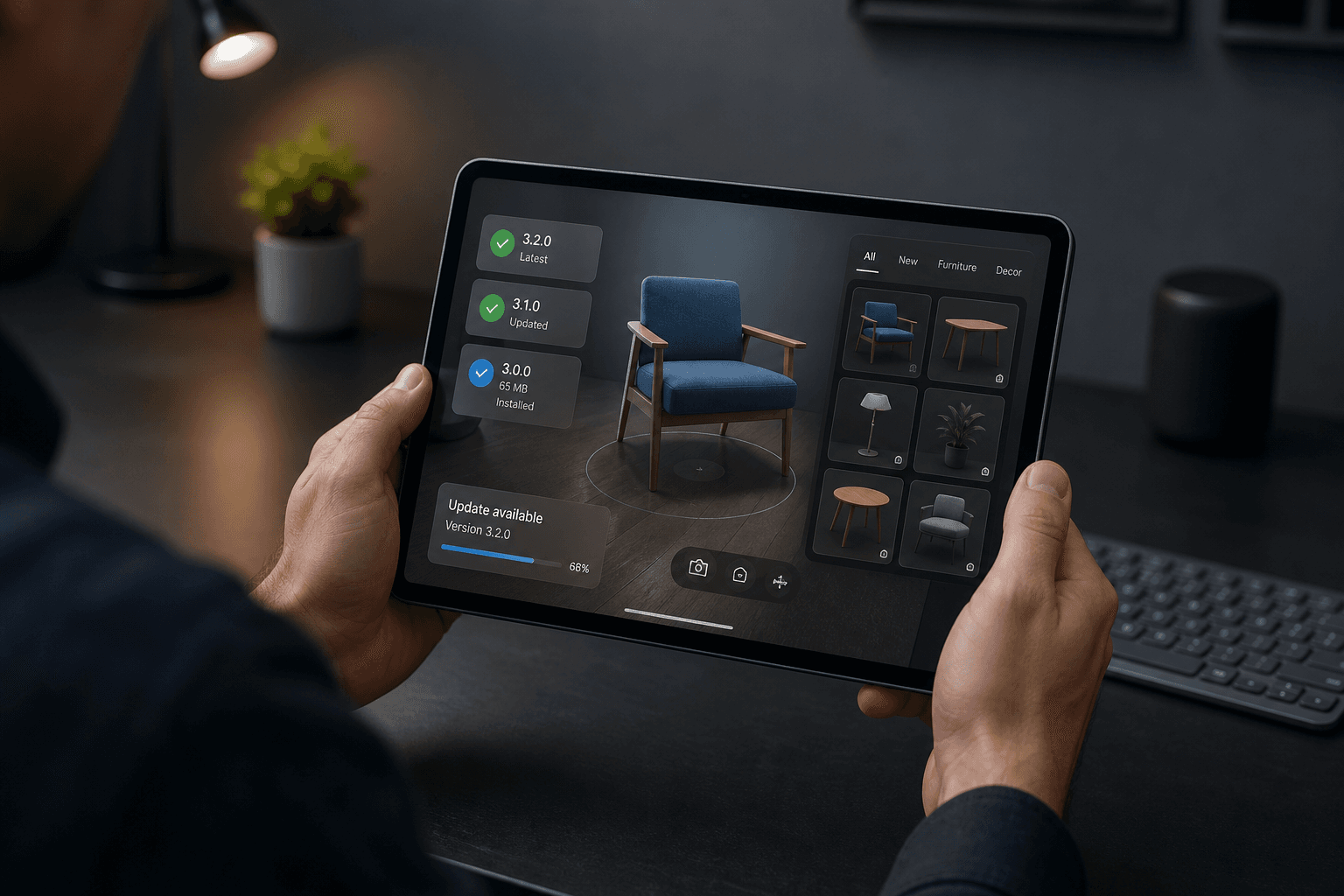
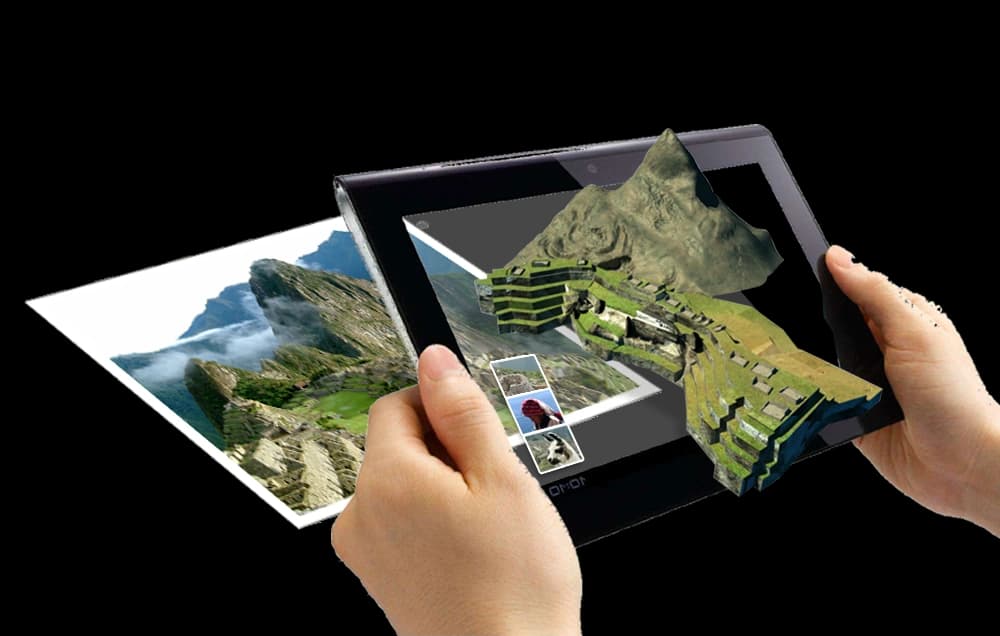
Object recognition, occlusion, and content development are the hardest problems in any AR project. Our developers tackle each one with precision, ensuring every app we deliver is visually sharp, technically stable, and built to scale.



Speaks For Us




next?


Frequently Asked
Questions
$15K–$250K+ depending on app type, platform, and feature complexity. See our full cost breakdown below.
AR Try-On (Fashion/Beauty)
- Platform
- iOS + Android
- Key Features
- Face/body tracking, 3D overlay
- Cost Range
- $25K–$45K
- Timeline
- 3–4 months
AR Product Visualizer
- Platform
- iOS + Android
- Key Features
- 3D model placement, room scanning
- Cost Range
- $30K–$60K
- Timeline
- 3–5 months
AR Training App
- Platform
- iOS + Android + HoloLens
- Key Features
- Step-by-step overlay, object recognition
- Cost Range
- $40K–$80K
- Timeline
- 4–6 months
WebAR Campaign
- Platform
- Browser (no app)
- Key Features
- Marker-based, social sharing
- Cost Range
- $15K–$35K
- Timeline
- 6–10 weeks
AR Navigation App
- Platform
- iOS + Android
- Key Features
- GPS, real-time overlay, mapping
- Cost Range
- $50K–$100K
- Timeline
- 4–6 months
Enterprise AR (HoloLens)
- Platform
- HoloLens 2 / Vision Pro
- Key Features
- Spatial mapping, voice, gestures
- Cost Range
- $80K–$200K
- Timeline
- 5–9 months
AR Manufacturing / MRO
- Platform
- HoloLens + Mobile
- Key Features
- Assembly guidance, diagnostics
- Cost Range
- $100K–$250K
- Timeline
- 6–12 months
| AR App Type | Platform | Key Features | Cost Range | Timeline |
|---|---|---|---|---|
| AR Try-On (Fashion/Beauty) | iOS + Android | Face/body tracking, 3D overlay | $25K–$45K | 3–4 months |
| AR Product Visualizer | iOS + Android | 3D model placement, room scanning | $30K–$60K | 3–5 months |
| AR Training App | iOS + Android + HoloLens | Step-by-step overlay, object recognition | $40K–$80K | 4–6 months |
| WebAR Campaign | Browser (no app) | Marker-based, social sharing | $15K–$35K | 6–10 weeks |
| AR Navigation App | iOS + Android | GPS, real-time overlay, mapping | $50K–$100K | 4–6 months |
| Enterprise AR (HoloLens) | HoloLens 2 / Vision Pro | Spatial mapping, voice, gestures | $80K–$200K | 5–9 months |
| AR Manufacturing / MRO | HoloLens + Mobile | Assembly guidance, diagnostics | $100K–$250K | 6–12 months |