


AR App Development for
Healthcare

The technology is the easy part. The real work in healthcare AR development is knowing early which side of the regulatory line your app falls on — before you've spent a training budget building the wrong kind of product.
See Cost & Timelines
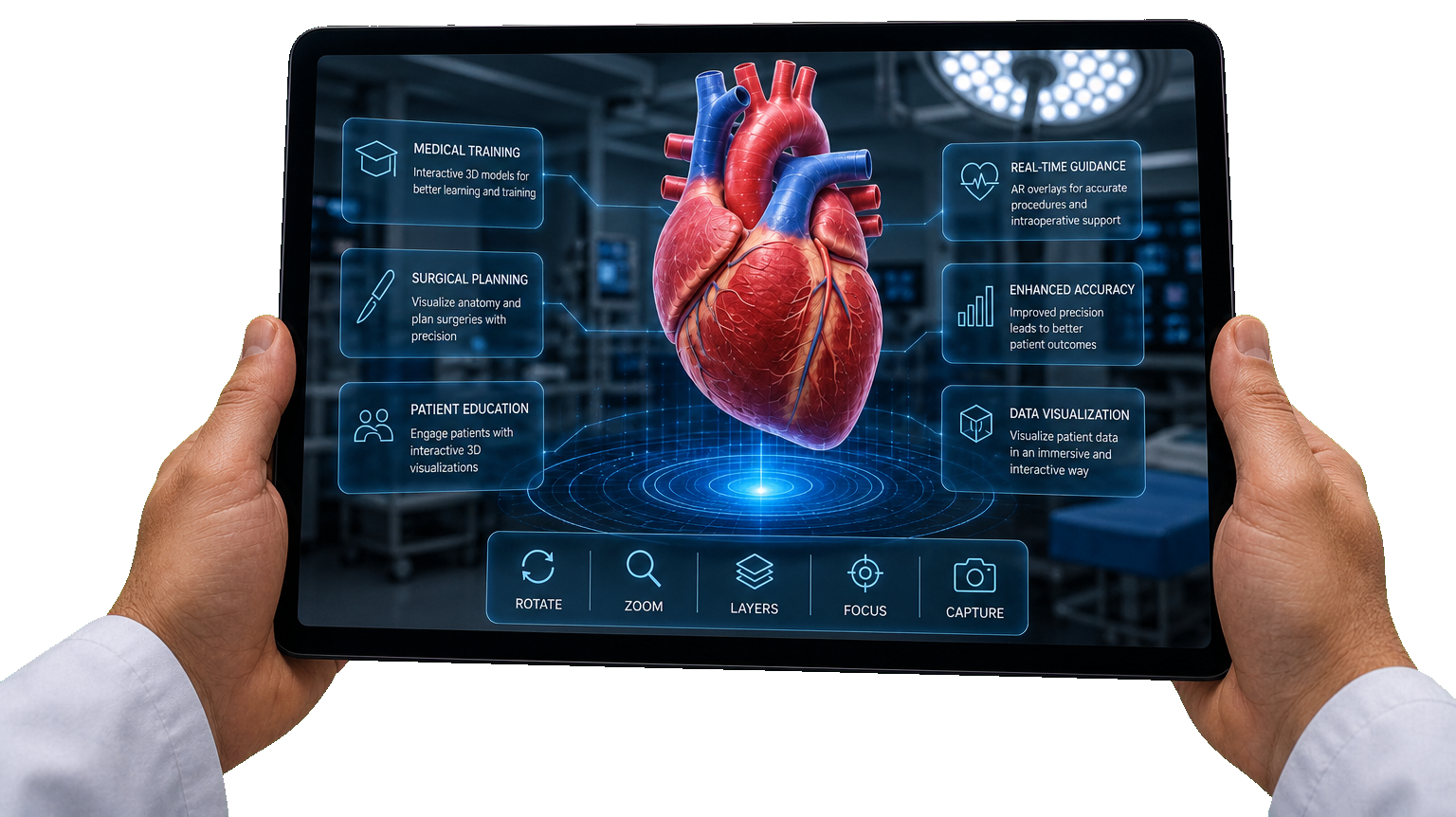
Clinician holding a tablet with a 3D AR human heart and medical training interface panels
OUR
IMPACT
Tech Reforms logo accent for AR apps shipped impact statDecorative hover highlight for AR apps shipped
50+
AR apps shipped
Tech Reforms logo accent for Clutch rating impact statDecorative hover highlight for Clutch rating
4.9★
Clutch rating
Tech Reforms logo accent for Starting scope impact statDecorative hover highlight for Starting scope
$30K
Starting scope
Tech Reforms logo accent for By project type impact statDecorative hover highlight for By project type
3-15mo
By project type
REGULATORY
PATH
MATTERS

Where Your Project Sits Determines Everything Else

The single question that shapes cost, timeline, and process for a healthcare AR build isn't "what does it do" — it's does it influence a clinical decision. That answer changes which regulatory path you're on before a single screen gets designed.

Generally Non-Regulated

Education, Training & Admin

  • Surgical training simulators used away from a live patient

  • Patient education and informed-consent visualization

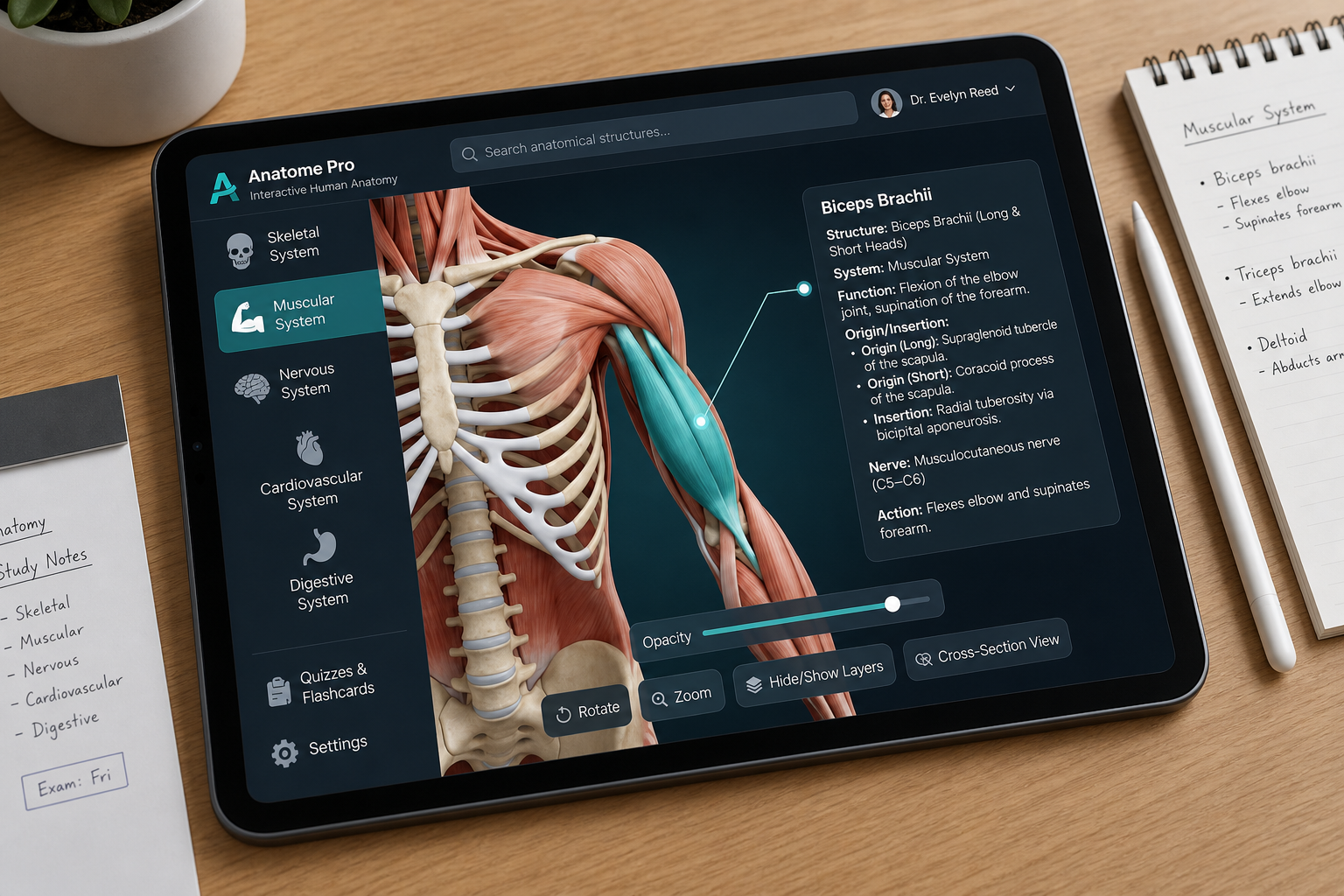
  • Anatomy visualization for students and residents

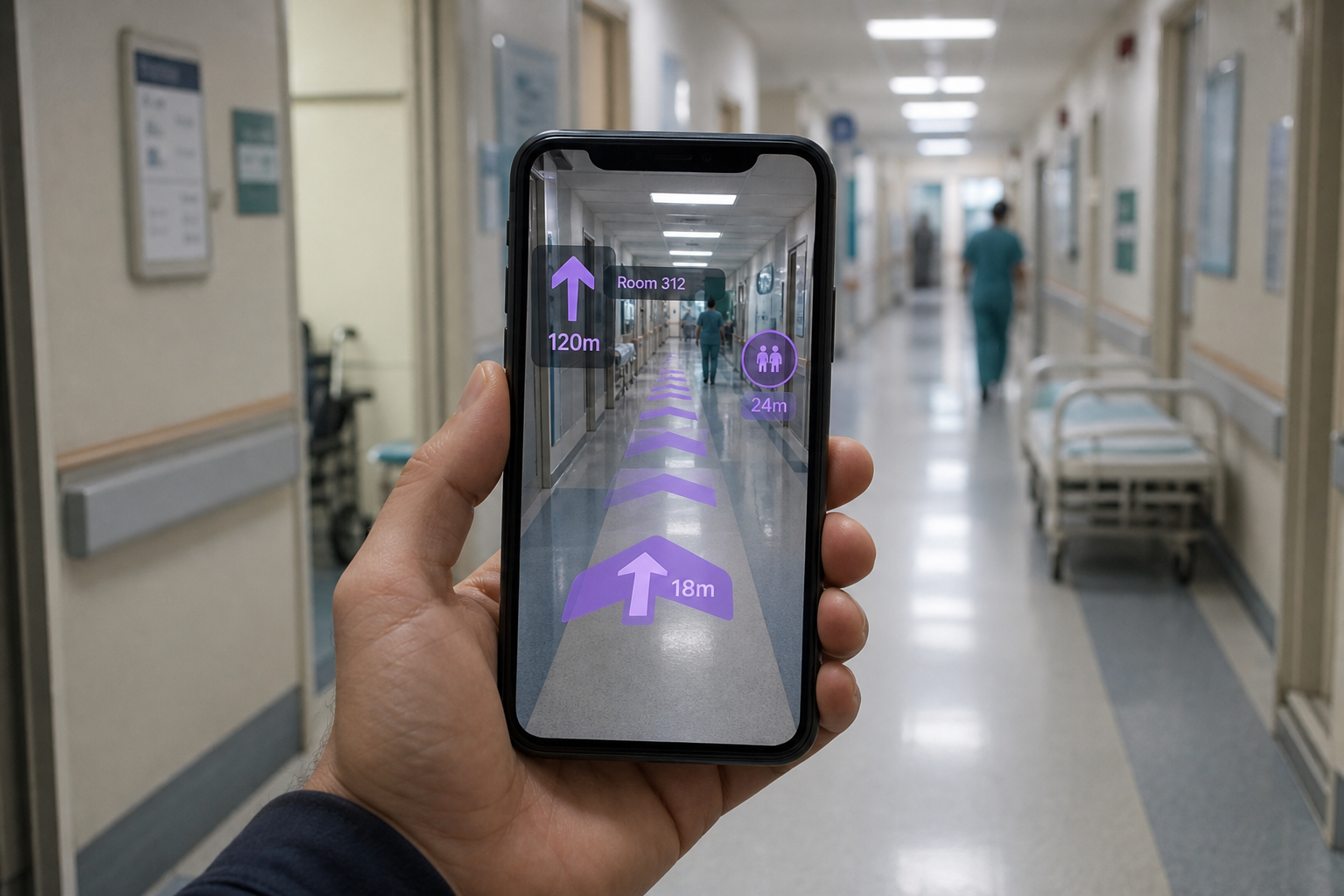
  • Facility wayfinding and administrative overlays

  • Rehabilitation exercise guidance, non-diagnostic

Typically faster to build and deploy. Lower regulatory overhead.
Likely Needs FDA Review

Diagnostic & Treatment-Facing

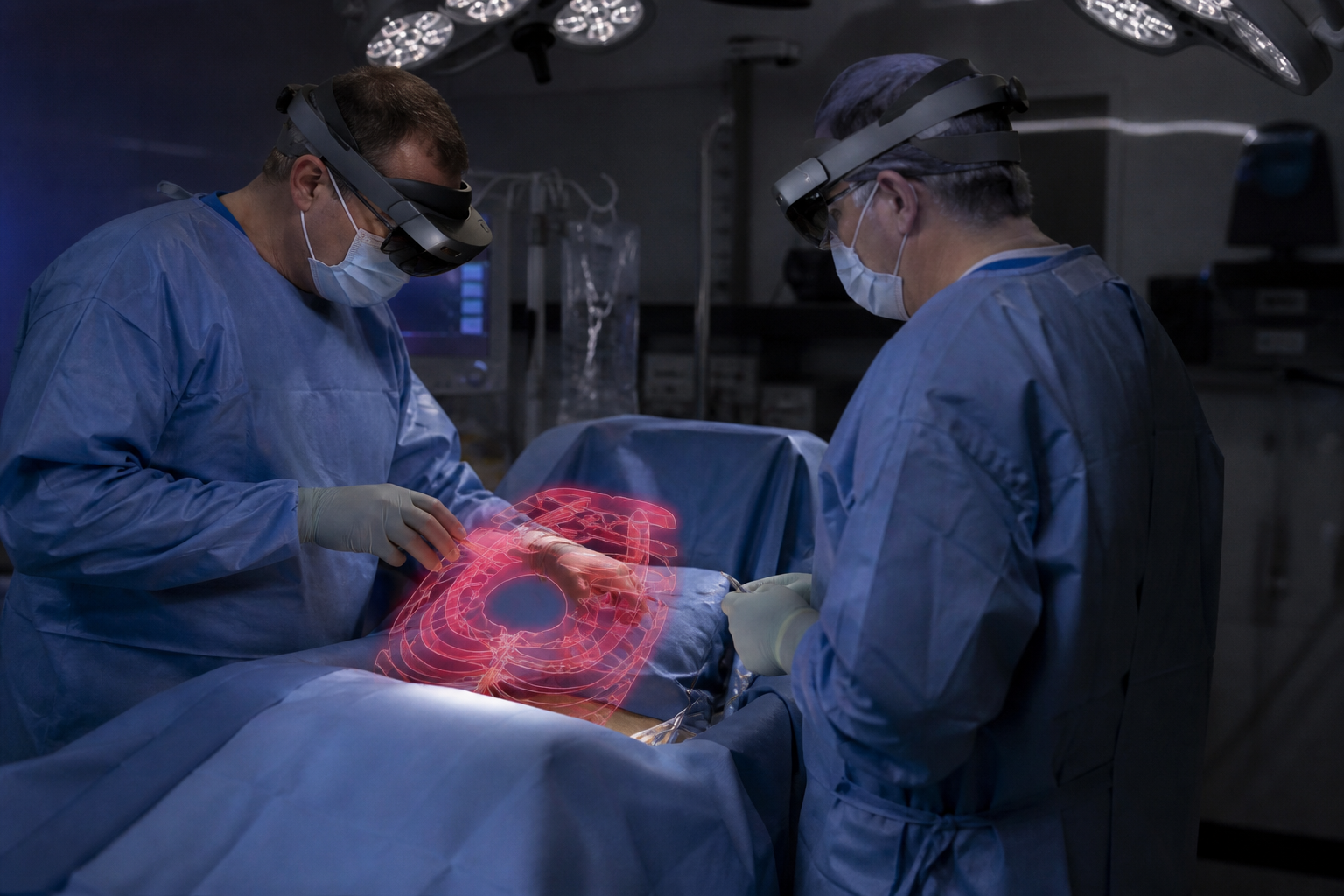
  • Real-time overlay guiding a live surgical procedure

  • AR visualization used to inform a diagnosis

  • Treatment planning tools tied directly to patient imaging

  • Anything positioned as influencing a clinician's decision at point of care

Longer runway due to regulatory validation and clinical evidence.

This is a general guide, not a regulatory determination — we recommend involving your regulatory counsel before development starts on anything in the right-hand column.

OUR
SOLUTIONS

What We Build Across Both Categories

Most of our healthcare work sits in the faster, non-regulated column — training, education, and visualization tools that still need to be built to a clinical standard.

01 / Medical Education

Surgical Training Simulators

Practice procedures on a 3D anatomical model with step guidance and object recognition, away from any live patient.

HoloLens 2Simulation

02 / Patient Communication

Patient Education & Consent

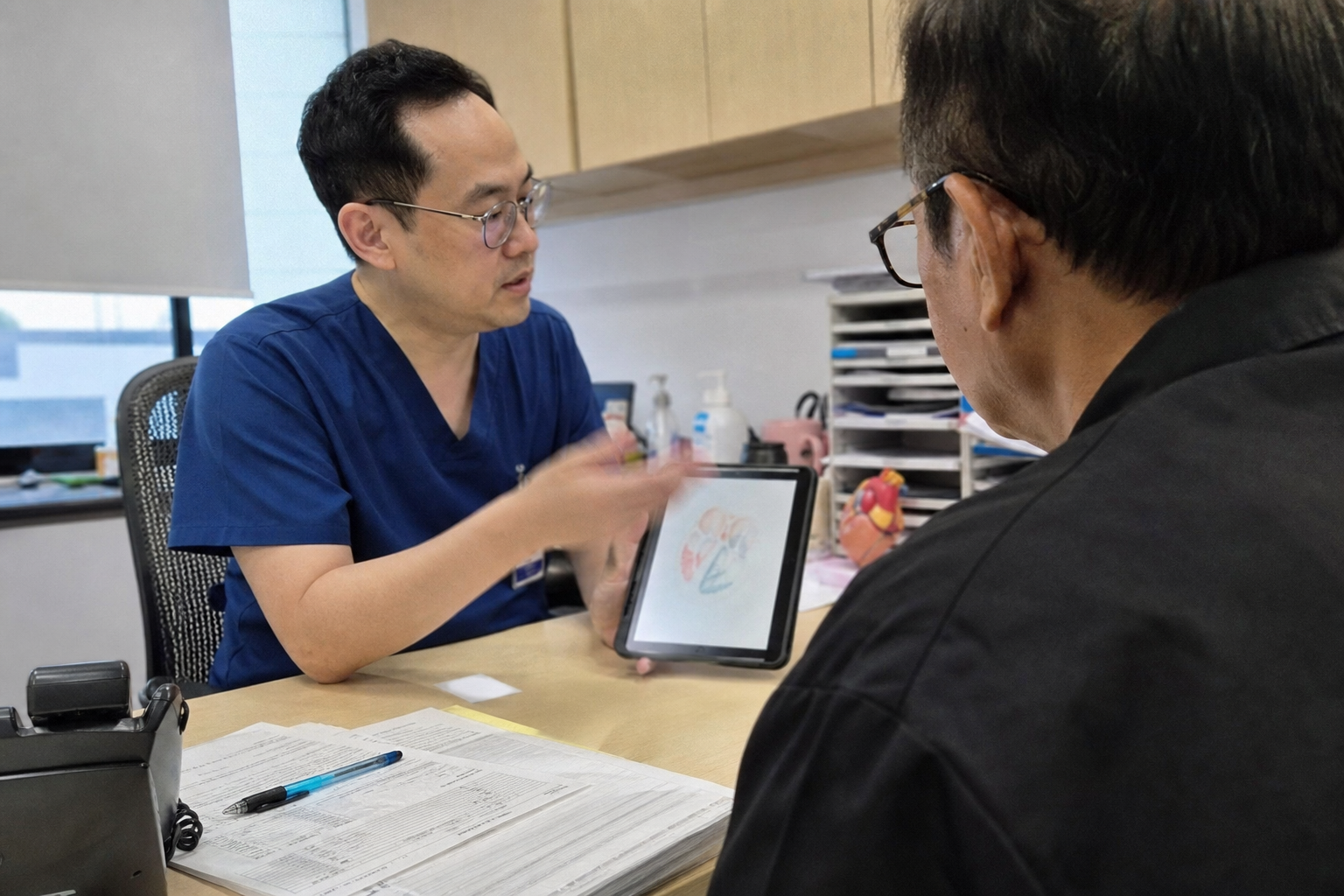
Show patients a 3D visualization of their own condition or procedure, improving informed consent conversations before treatment.

Mobile AR3D Anatomy

03 / Academic Programs

Anatomy Visualization for Students

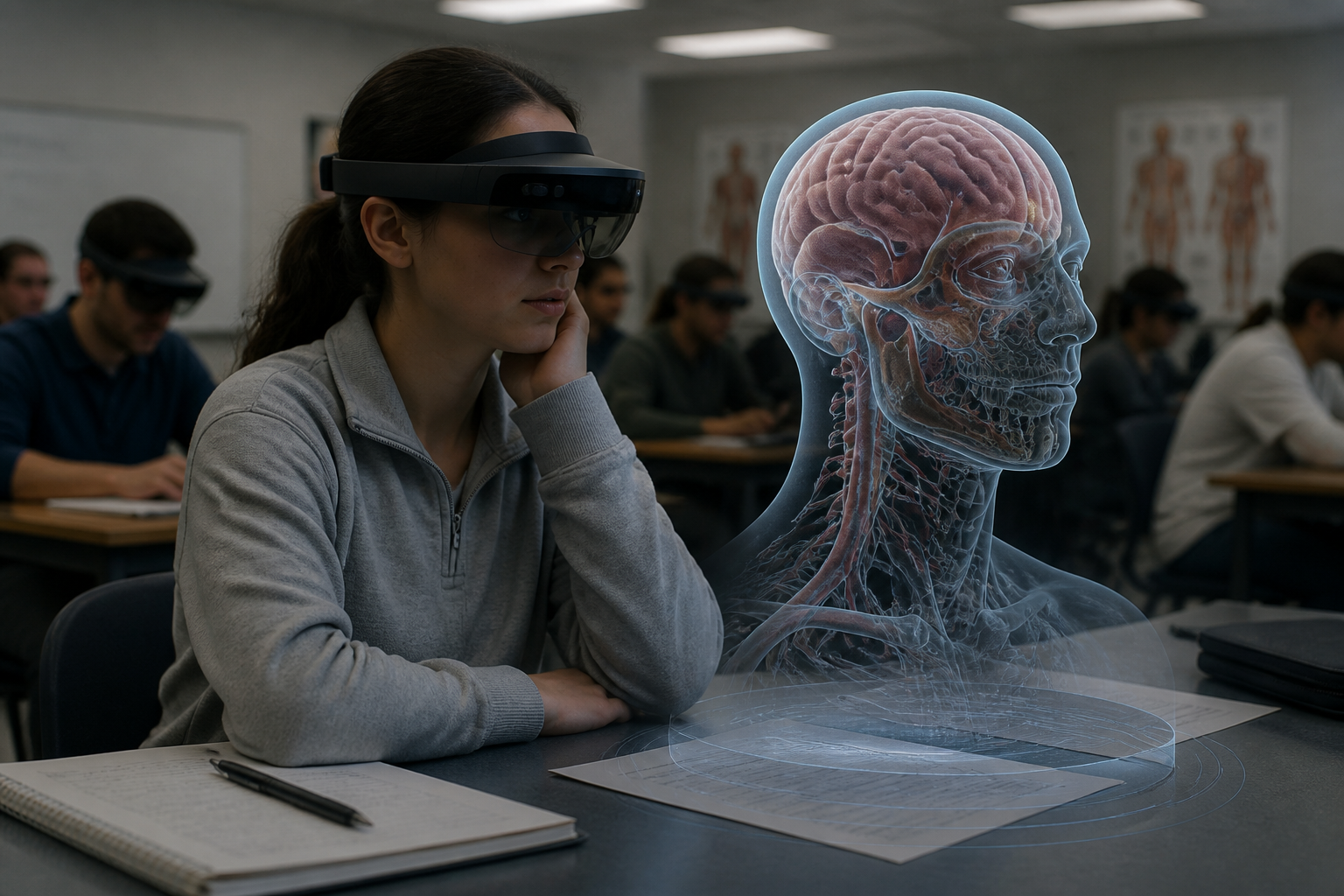
Layered, explorable 3D anatomy for classrooms and labs, replacing or supplementing cadaver-based instruction time.

ARKitLayered 3D

04 / Physical Therapy

Rehabilitation Guidance

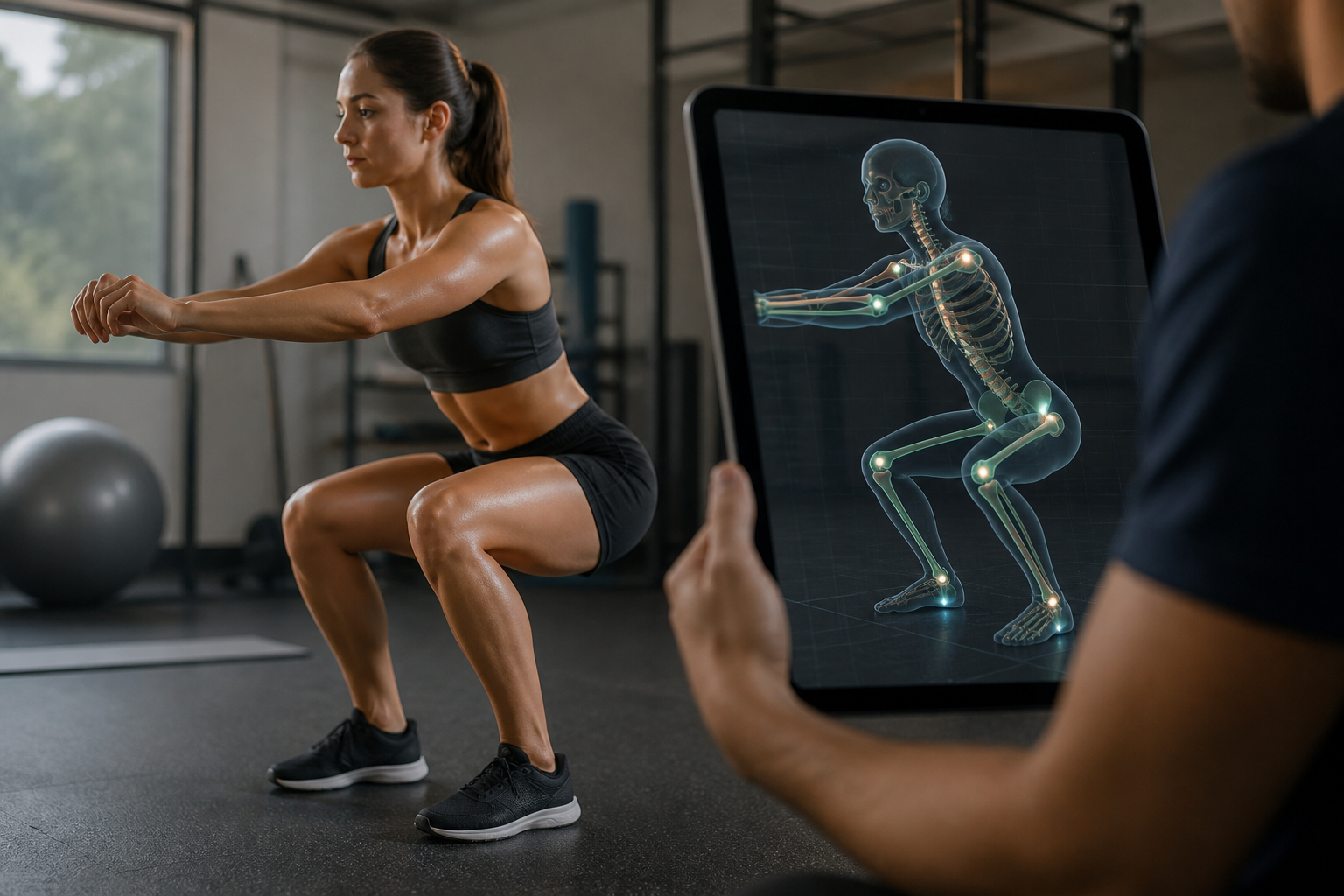
Exercise overlays that track patient movement and form during home or clinic-based physical therapy sessions.

Motion TrackingMobile

05 / Remote Care

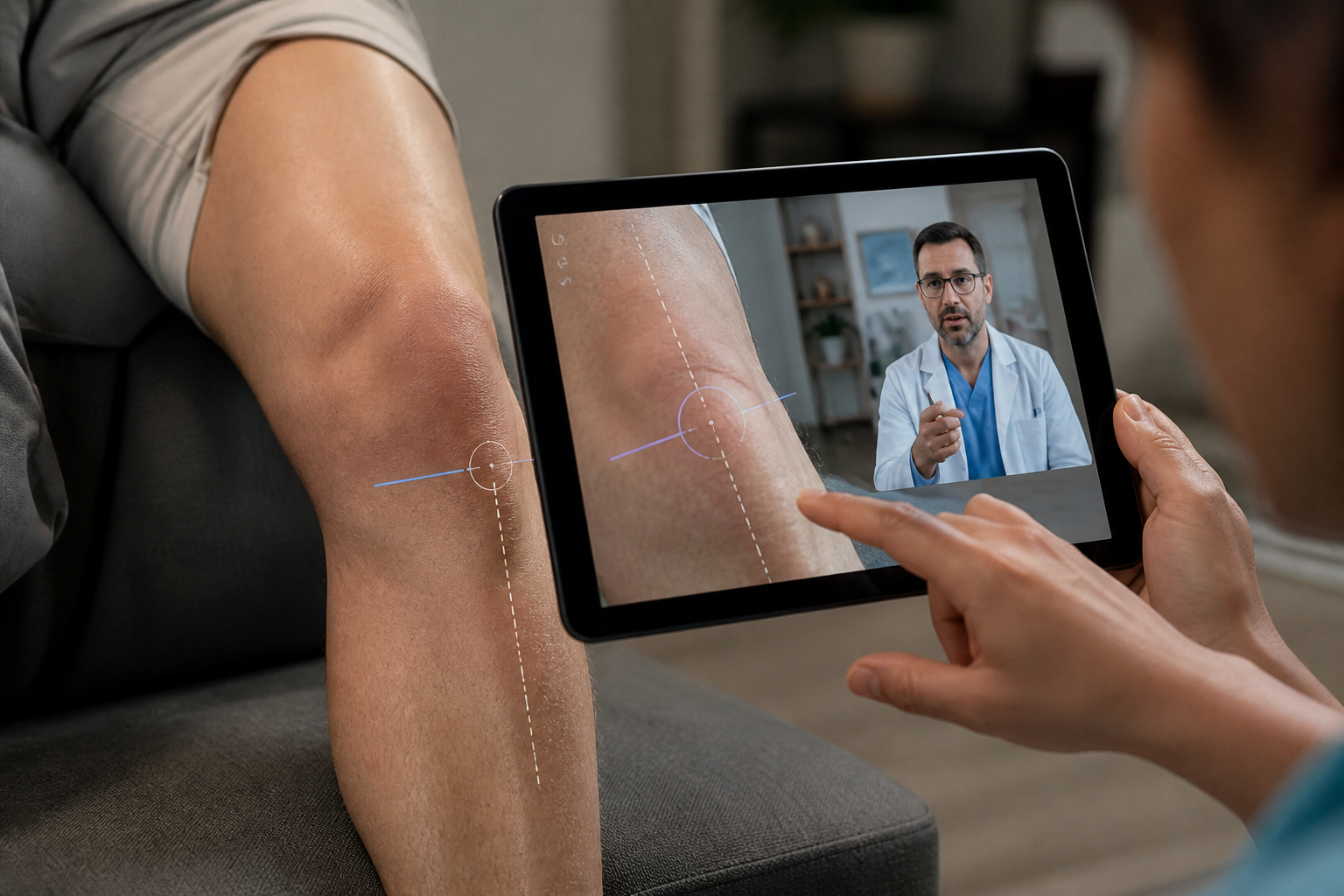
Telehealth AR Consultation

Remote clinicians annotate directly onto a patient or caregiver's live camera view during a video visit for more precise guidance.

Live AnnotationTelehealth

06 / Facilities

Hospital Wayfinding & Ops

Indoor AR navigation and equipment-locating overlays for large hospital campuses and outpatient facilities.

MarkerlessIndoor Positioning
SECURITY
&
COMPLIANCE

Compliance Built Into the Build, Not Bolted On After

The same standard we apply across our HIPAA-aligned healthcare mobile development work carries into every AR project that touches patient data.

AES-256 Encryption

Every byte of patient data encrypted at rest and in transit.

Role-Based Access

Access enforced by role at every point in the app, not just at login.

Audit Logging

Every action timestamped and logged, ready for compliance review.

BAA Support

Business Associate Agreements executed before any patient data is handled.

Auto Session Timeout

Idle sessions terminated automatically — no unattended access left open.

TLS 1.3 APIs

Every API call encrypted and verified with current protocol standards.

DEVICES
COMPARED

Device Choice by Clinical Setting

Sterility and hands-free requirements narrow the choice faster in healthcare than in almost any other AR vertical.

FactorSmart Glasses / HoloLensTablet / MobileAR Surgical Headset
Best forOR training, hands-free referencePatient education, consult roomsLive procedure visualization
SterilityRequires sterile-field protocolStandard cleaning between usePurpose-built for sterile field
Hands-freeYesNoYes
Regulatory pathwayUsually non-regulated (training)Usually non-regulatedFrequently regulated (SaMD)
Typical use caseSimulation, skills labConsent conversations, telehealthImage-guided procedures

Most healthcare programs start on tablets for education and consult-room use, since that path avoids the sterile-field and regulatory questions entirely.

INVESTMENT
BY
PROJECT TYPE

Cost & Timeline by Project Type

Ranges reflect that regulatory pathway, not just feature count, is the biggest cost driver in healthcare AR.

Patient Education / Anatomy App

$30K – $60K

3 – 5 months

  • 3D anatomy visualization
  • Consent & explanation tools
  • Mobile-first
iPad on a desk showing an interactive 3D anatomy education app with muscular system highlighted

Surgical Training Simulator

$60K – $120K

5 – 8 months

  • Step guidance & scoring
  • HoloLens or mobile
  • Non-clinical use only
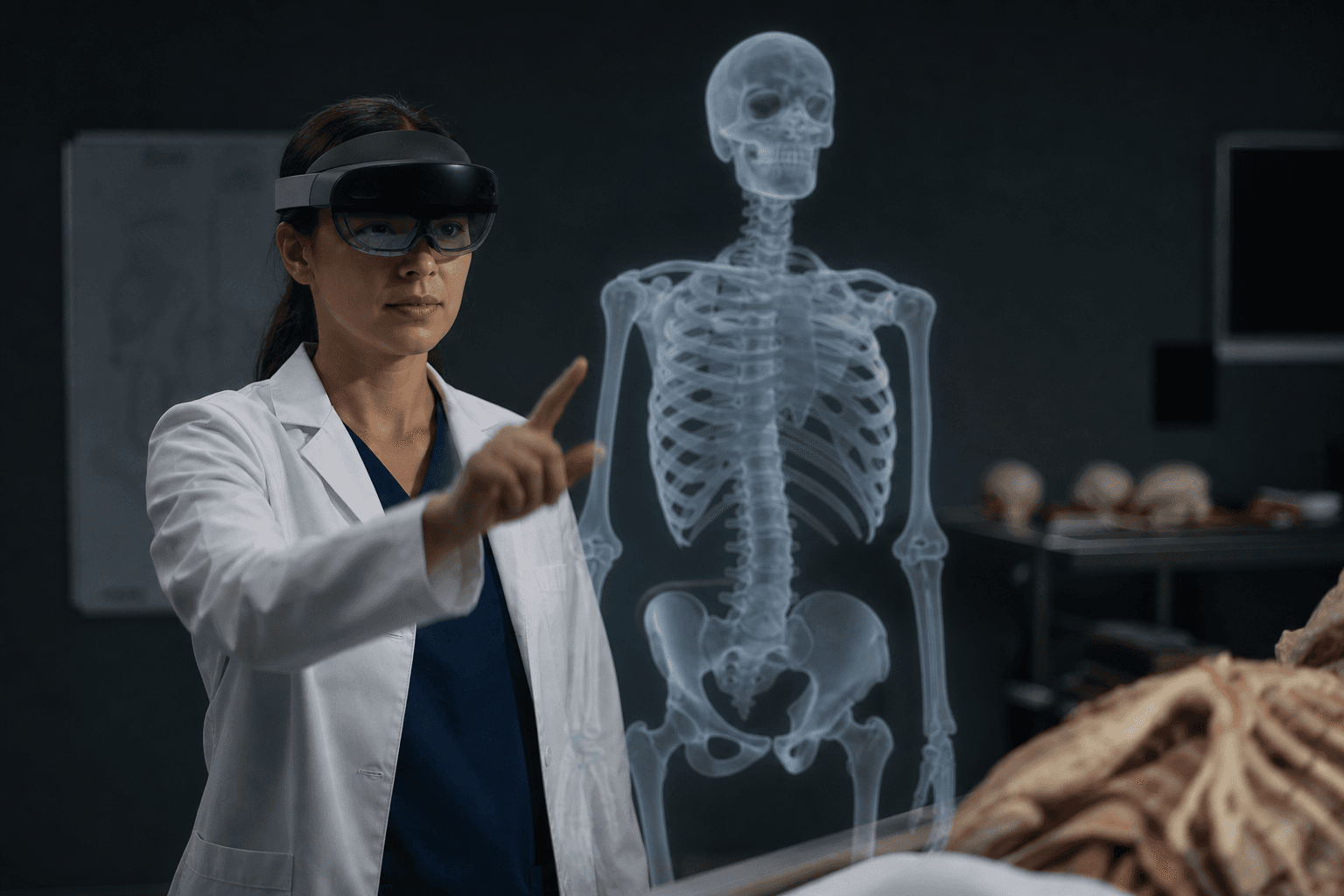
HoloLens headset with holographic pelvic bone and training UI overlay

Clinical Decision / Guidance System

$150K – $300K+

9 – 15 months

  • Regulatory validation included
  • Clinical data integration
  • SaMD-track development
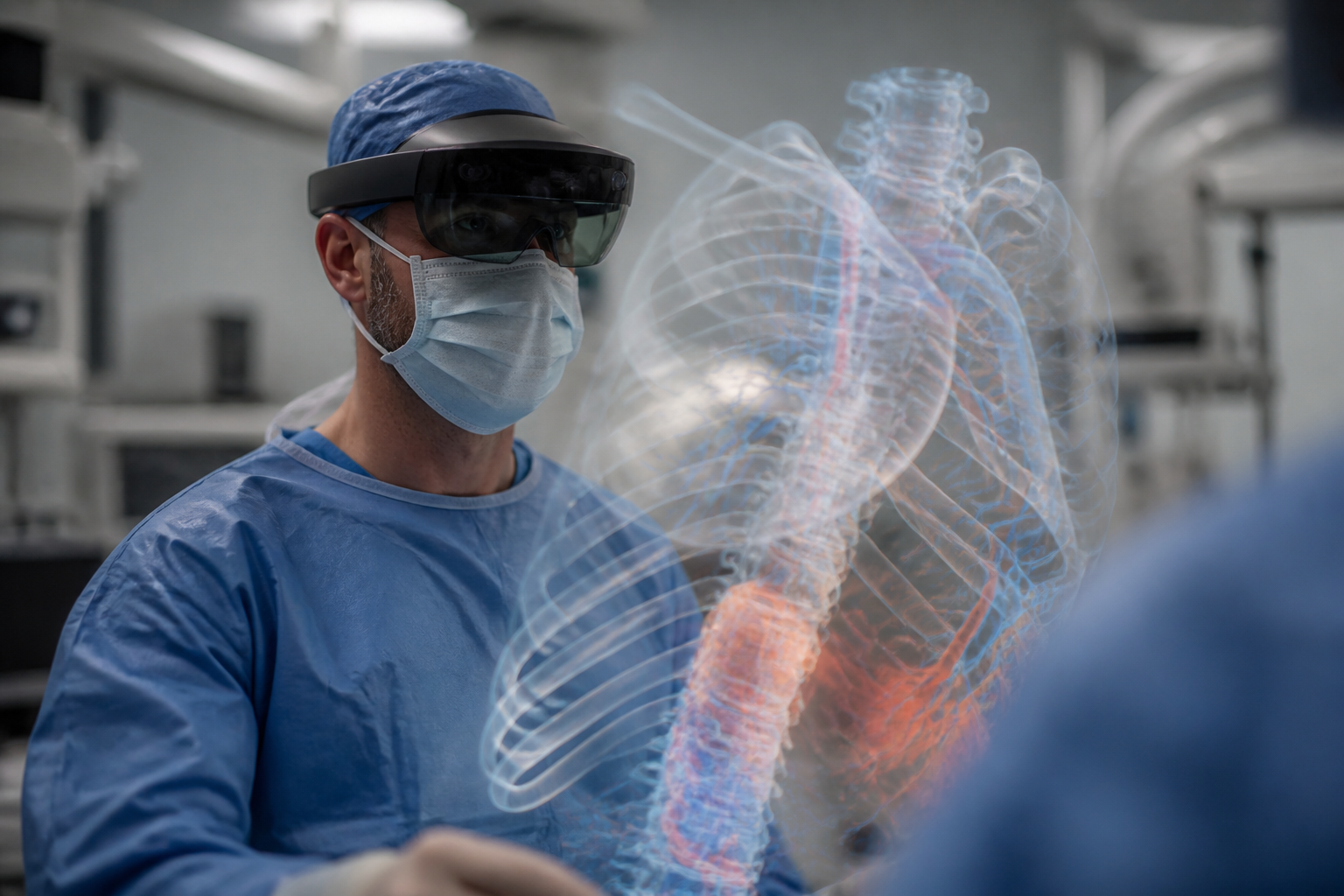
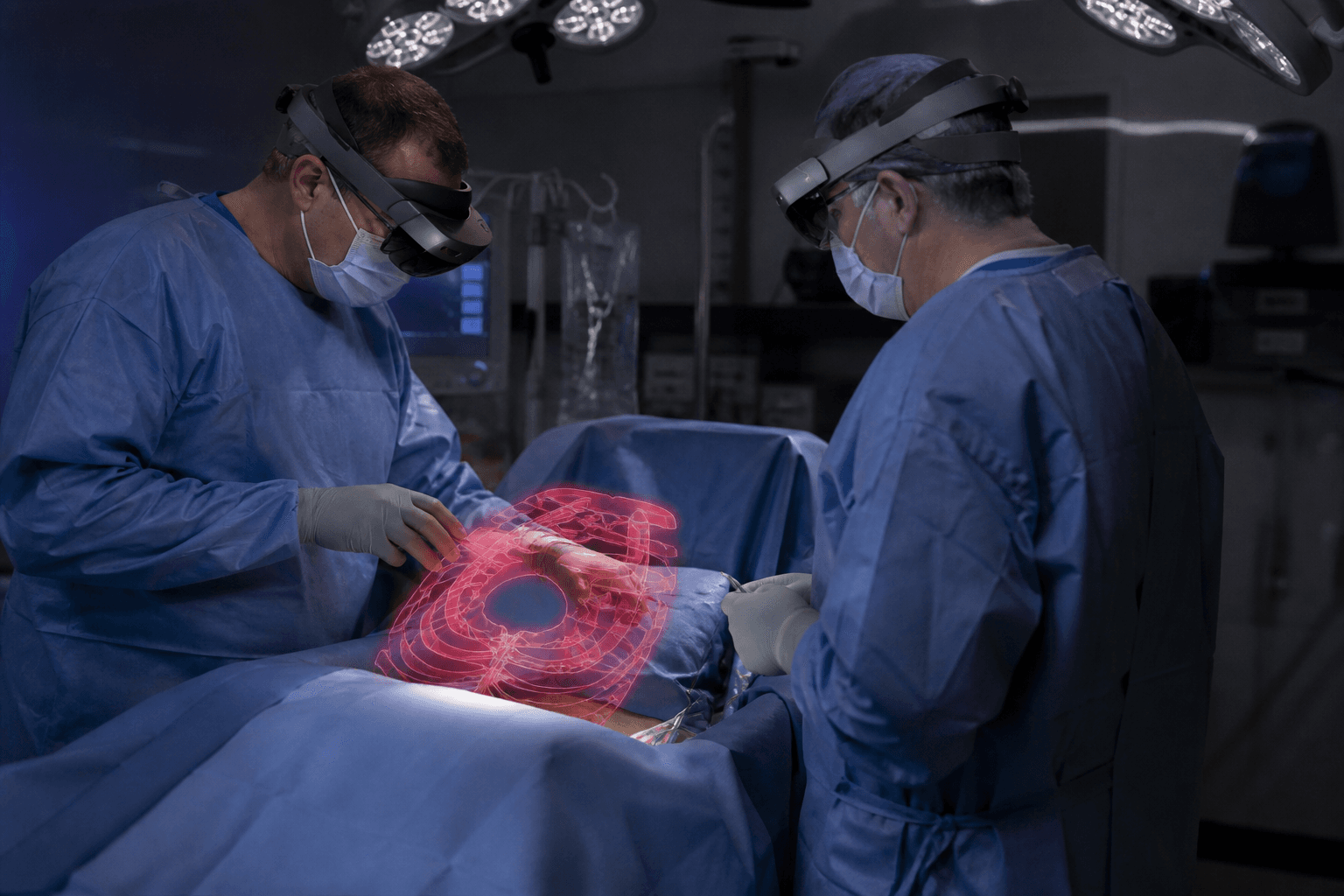
Surgical team in an operating room with holographic organ overlay

3D anatomical asset creation is scoped separately, typically $5K – $30K depending on model complexity and imaging data source.

Tell us what the app needs to do — we'll flag the regulatory path in 48 hours.

Scope, compliance requirements, and a realistic timeline before you commit to anything. See the full AR development process or how we've built for enterprise training.

Soft gradient background behind testimonials
Decorative background for testimonial content
OUR
TESTIMONIALS
Our Work
Speaks For Us

Clinical Education Lead

Regional Medical Center

Residents used to memorize diagrams and hope it stuck in the OR. The AR anatomy module lets them walk the structure on a tablet before scrubbing in — retention and confidence both went up.

Director of Training

MedTech Device Maker

Field trainers were flying to every hospital for product demos. Tech Reforms built an AR overlay of our device on real equipment so reps can train on-site without a second suitcase of demos.

Simulation Lab Manager

University Health Sciences

We needed something that worked on classroom iPads first, not only headsets. They scoped a tablet pilot we could expand to HoloLens later without rebuilding the curriculum.

Patient Experience Lead

Specialty Surgery Group

Explaining procedures with pamphlets left patients anxious. The AR walkthrough on a phone finally lets them see what happens before they sign consent.

Decorative graphic in 3D text rotation section
Dark textured background behind contact form
Contact
Us
Partner with Us for Custom AR Healthcare Development — Train & Visualize with Confidence
Phone handset icon for contact call-to-action
Call us at:
(582) 233-5015
YourBenefits
Anatomy & Procedure Visualization
Surgical & Clinical Training Modules
Patient Education Experiences
Unity / HoloLens / Mobile AR Options
Compliance-Ready Delivery Patterns
We Stick Around After Launch

Tell us the clinical use case, learner devices (phone, tablet, or headset), and whether this is anatomy training, procedure guidance, or patient education — we'll reply within 24 hours with a practical AR plan and estimate.

Schedule a free consultation
What happens
next?
Process step one illustration
We Schedule a call at your convenience
Process step two illustration
We do a discovery and consulting meeting
Process step three illustration
We prepare a proposal
FAQ

Frequently Asked
Questions

A patient education or anatomy visualization app generally runs $30,000–$60,000 over 3–5 months. A surgical training simulator, built for education rather than live clinical use, typically costs $60,000–$120,000 over 5–8 months. A system intended to guide clinical decisions during an actual procedure carries substantial regulatory and validation overhead and can run $150,000–$300,000+ over 9–15 months.
It depends on what the app does, not the fact that it uses AR. Training simulators, patient education tools, and administrative or wayfinding apps generally fall outside FDA device regulation. Software that overlays information intended to guide a clinician's real-time decision during diagnosis or treatment is more likely to be classified as Software as a Medical Device and require clearance. We help identify which category a project falls into early, and recommend involving regulatory counsel before development starts on anything diagnostic or treatment-facing.
Yes. Our healthcare builds use AES-256 encryption, role-based access control, and audit logging by default, and we sign a Business Associate Agreement when patient data is involved, matching the same compliance standard we apply across our HIPAA-aligned mobile development work.
AR surgical training is an educational simulator used away from a live patient, generally outside medical device regulation. AR surgical guidance overlays information in real time during an actual procedure to inform clinical decisions, which puts it in a different regulatory category and requires a much longer validation and clearance timeline.
Yes, integration with DICOM imaging data and EHR systems is common for visualization and training tools, handled through standard healthcare data APIs. The integration scope and the sensitivity of the data involved both affect timeline and cost.
Yes. AR can let a remote clinician annotate directly onto a patient's or caregiver's camera view during a video consultation, useful for wound checks, physical therapy guidance, and post-op instruction where a verbal description alone isn't precise enough.